
Scooby-Doo Monsters That Actually Felt Dangerous
Most Scooby-Doo monsters are designed to scare — masks, cloaks, glowing eyes, the works. But now and then, a monster comes along that feels like more than just a mystery in costume.
These are the ones where the danger feels real.
Where the gang isn’t just startled, but genuinely outmatched.
Where one wrong decision could’ve ended the episode very differently.
These monsters don’t rely on theatrics.
They rely on threat.
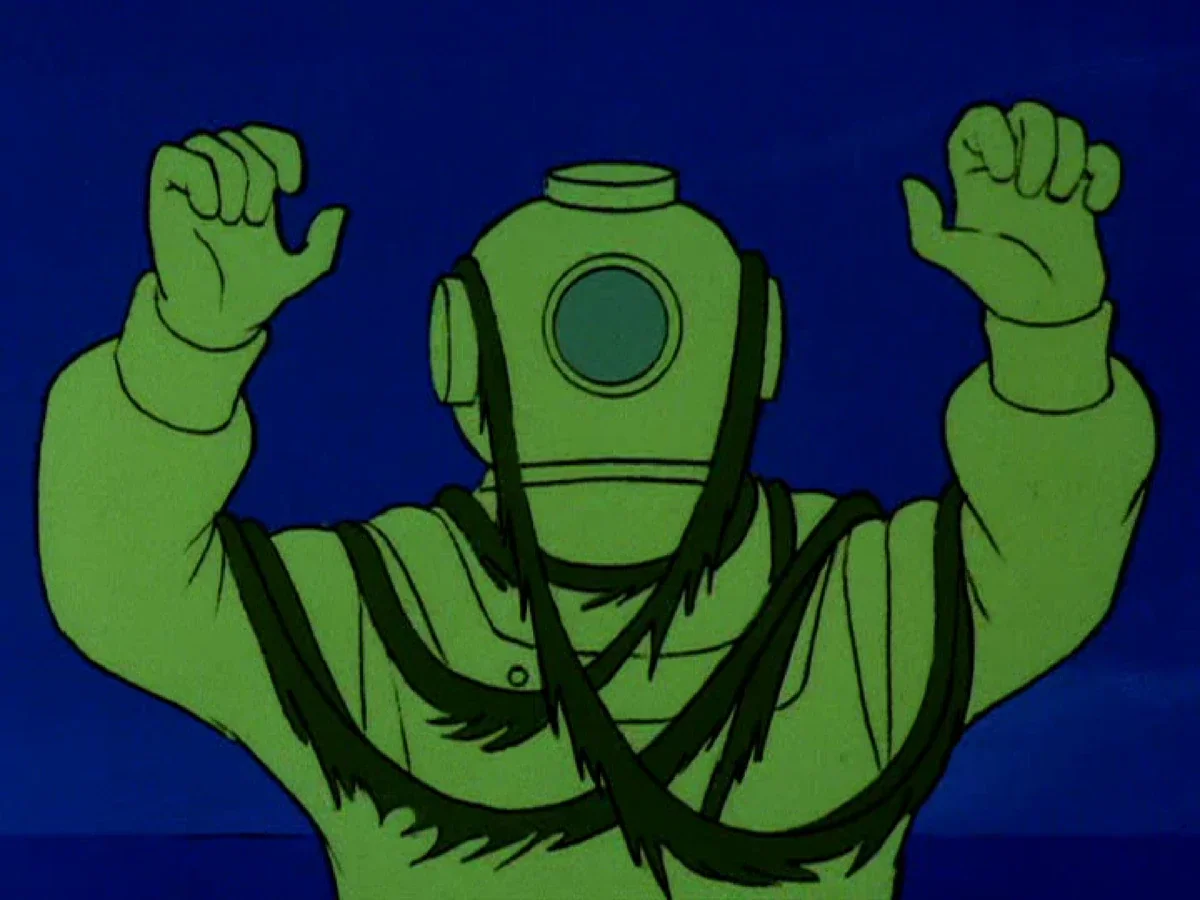
There’s something relentlessly unsettling about the Ghost of Captain Cutler. He isn’t fast, flashy, or dramatic — he’s methodical. A deep-sea diver moving with purpose, cutting power, stalking silently through docks and underwater environments.
What makes Captain Cutler dangerous is the setting. Water removes options. Visibility is poor. Escape routes are limited. If he corners you, there’s nowhere to run. Every encounter feels heavy, slow, and suffocating — like being hunted in a place humans were never meant to feel comfortable.
This isn’t a monster you can outpace. You survive him by staying one step ahead — and that’s never guaranteed.
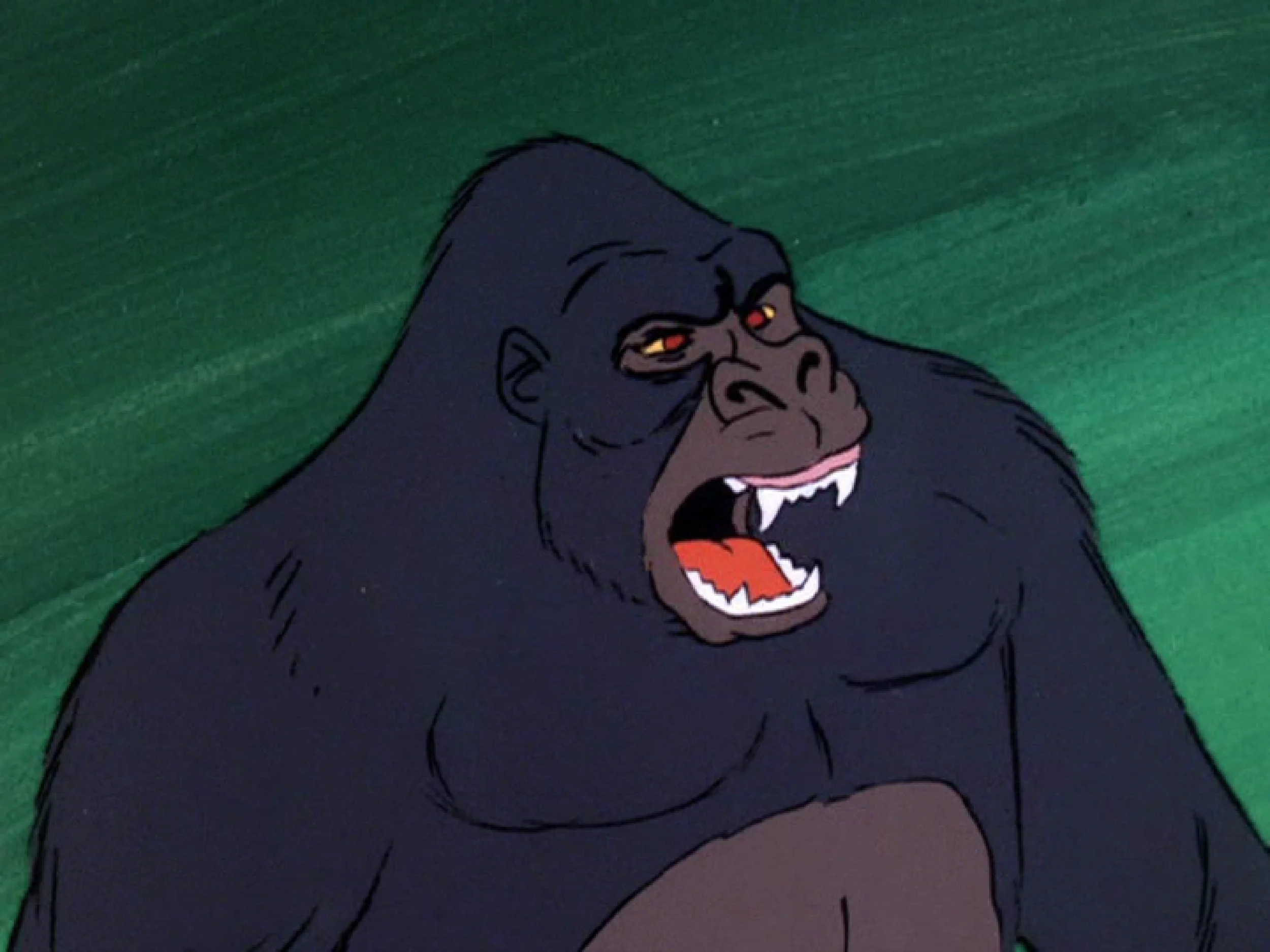
The Ape Man works because of raw physicality. He doesn’t rely on tricks or illusions. He climbs, lunges, and closes distance frighteningly fast. Every chase feels vertical and chaotic, with the gang scrambling through trees, ruins, and elevated spaces that offer no absolute safety.
Unlike many Scooby villains, the Ape Man feels unpredictable. There’s no precise rhythm to his appearances. He bursts into scenes suddenly, leaving no time to prepare. That unpredictability makes him feel volatile — like a threat that could escalate at any moment.
Strength, speed, and surprise are a dangerous combination.
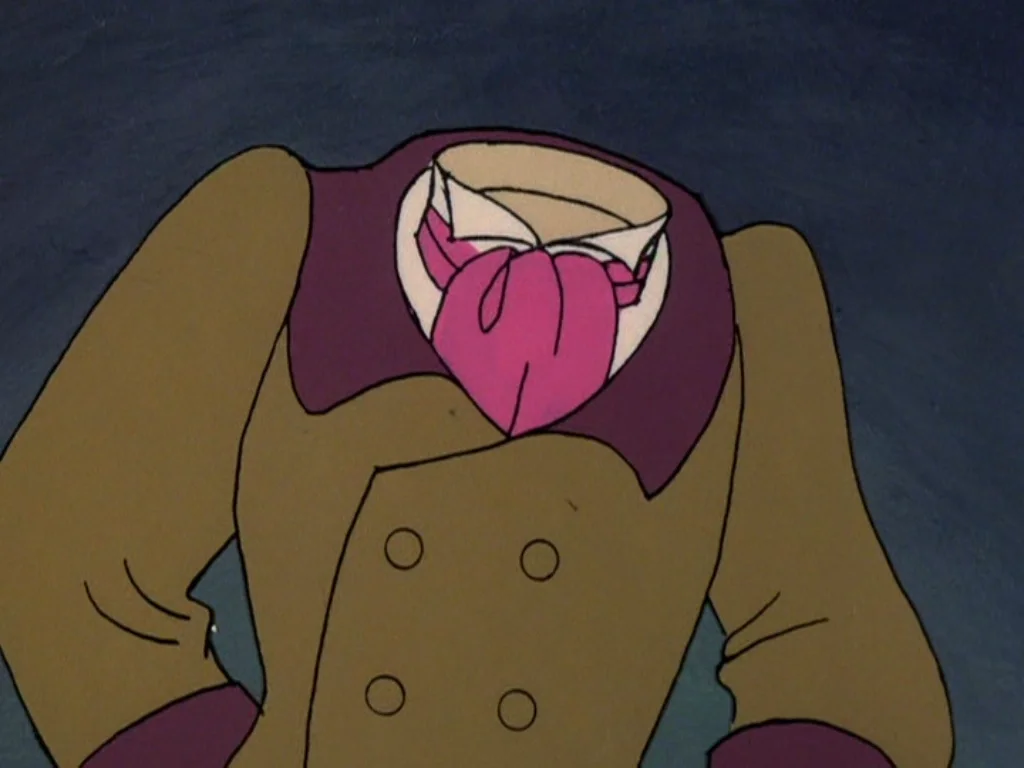
Then there’s the Headless Specter, a monster that feels dangerous because of how little he reacts. He doesn’t rush. He doesn’t panic. He advances steadily, calmly, as if nothing the gang does can slow him down.
The headless design strips away emotion entirely. There’s no face to read, no expression to anticipate—just movement and inevitability. Every encounter feels like the gang is being herded rather than chased.
That emotional detachment makes him deeply unsettling — and genuinely threatening.
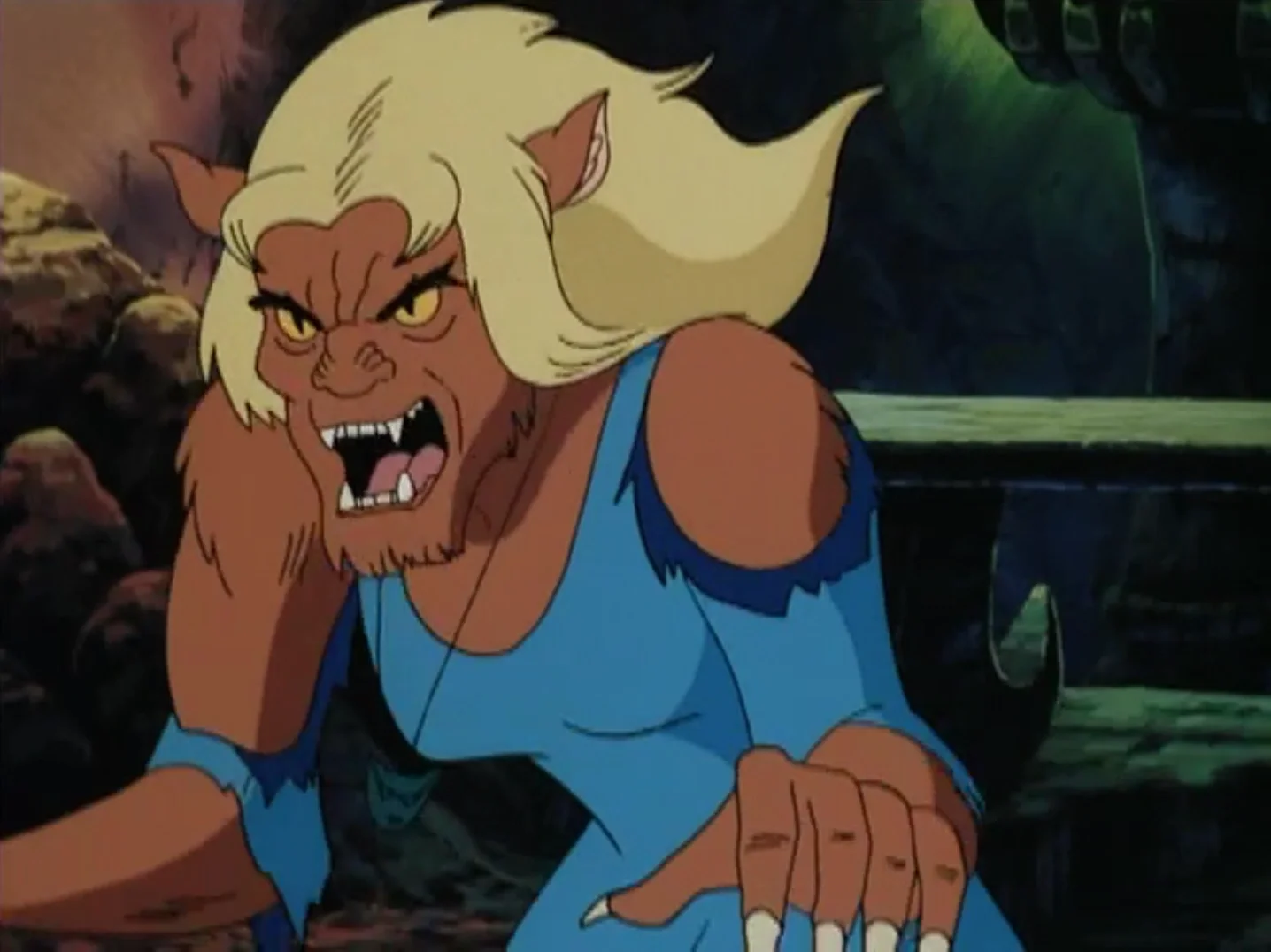
Moving into the movies, the werecats of Zombie Island change the stakes entirely.
For the first time, the monsters aren’t pretending to be something supernatural — they are. There’s no safety net. No unmasking that restores order. The danger is permanent, and the consequences are real.
The werecats hunt intelligently. They work together. They trap, isolate, and overwhelm. The gang isn’t solving a mystery so much as trying to survive long enough to escape.
That shift — from illusion to reality — makes these monsters some of the most dangerous Scooby has ever faced.
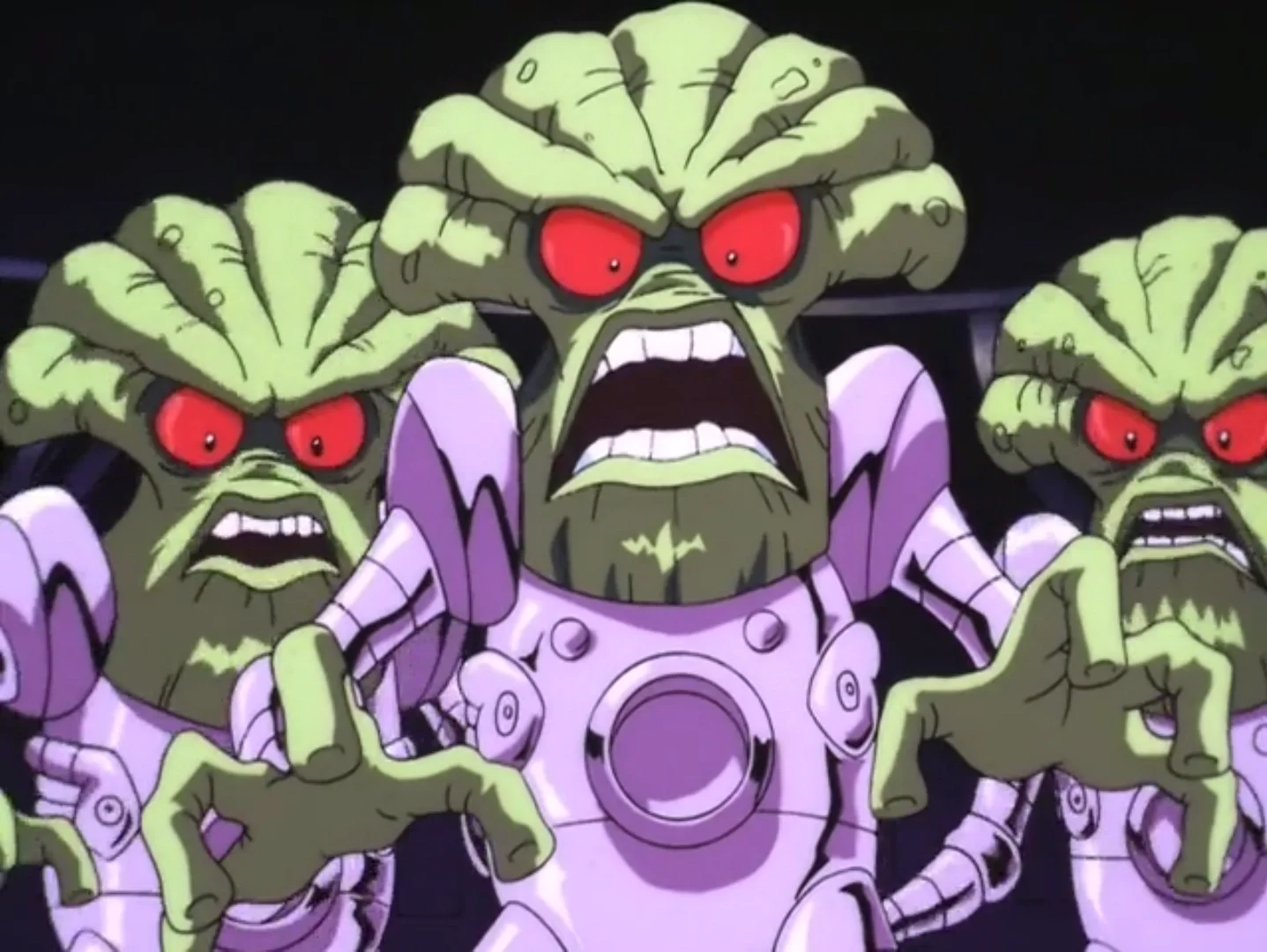
Similarly, the aliens from Alien Invaders feel dangerous because they operate beyond Scooby-Doo’s usual rules. They’re faster, more advanced, and utterly unconcerned with being caught.
What makes them especially threatening is that the gang can’t outthink them in the usual way. Technology replaces logic. Power replaces trickery. The familiar Scooby rhythm — chase, trap, reveal — doesn’t apply cleanly anymore.
The danger isn’t just physical. It’s existential. The gang is suddenly tiny in a vast universe.
What connects all of these monsters is a lack of control.
These villains:
limit escape routes
overwhelm physically or mentally
weaponise the environment
remove the gang’s usual advantage
They don’t give Mystery Inc. time to regroup. They force constant reaction instead of a strategy.
Final Thoughts
Scooby-Doo is usually a comfort watch — but monsters like these remind you that it didn’t get there by accident. Safety comes after danger, not instead of it.
These are the monsters that make the gang feel vulnerable.
The ones that turn familiar settings into threats.
The ones that prove Scooby-Doo can still raise the stakes when it wants to.
And when the mayhem hits this hard…
You really feel it.
Stay groovy — and keep unmasking.
