
Monsters & Mayhem dives into Scooby-Doo’s creatures at their loudest, weirdest, and most chaotic. From monster design breakdowns and rankings to darker analysis and episodes packed with danger, this category explores what makes monsters threatening and why some still unsettle us today, sparking curiosity about their impact.
Scooby-Doo Monsters That Actually Felt Dangerous
Most Scooby-Doo monsters are designed to scare — masks, cloaks, glowing eyes, the works. But now and then, a monster comes along that feels like more than just a mystery in costume.
These are the ones where the danger feels real.
Where the gang isn’t just startled, but genuinely outmatched.
Where one wrong decision could’ve ended the episode very differently.
These monsters don’t rely on theatrics.
They rely on threat.
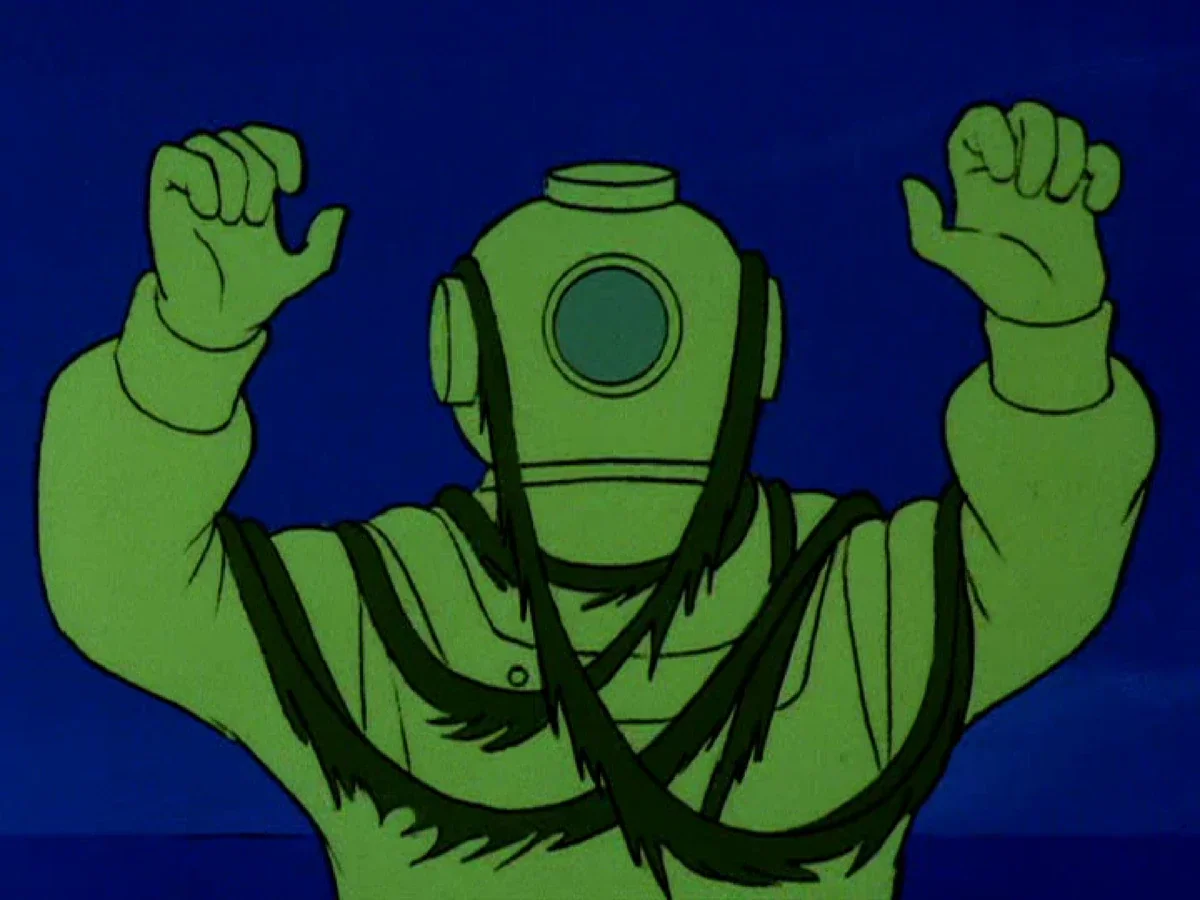
There’s something relentlessly unsettling about the Ghost of Captain Cutler. He isn’t fast, flashy, or dramatic — he’s methodical. A deep-sea diver moving with purpose, cutting power, stalking silently through docks and underwater environments.
What makes Captain Cutler dangerous is the setting. Water removes options. Visibility is poor. Escape routes are limited. If he corners you, there’s nowhere to run. Every encounter feels heavy, slow, and suffocating — like being hunted in a place humans were never meant to feel comfortable.
This isn’t a monster you can outpace. You survive him by staying one step ahead — and that’s never guaranteed.
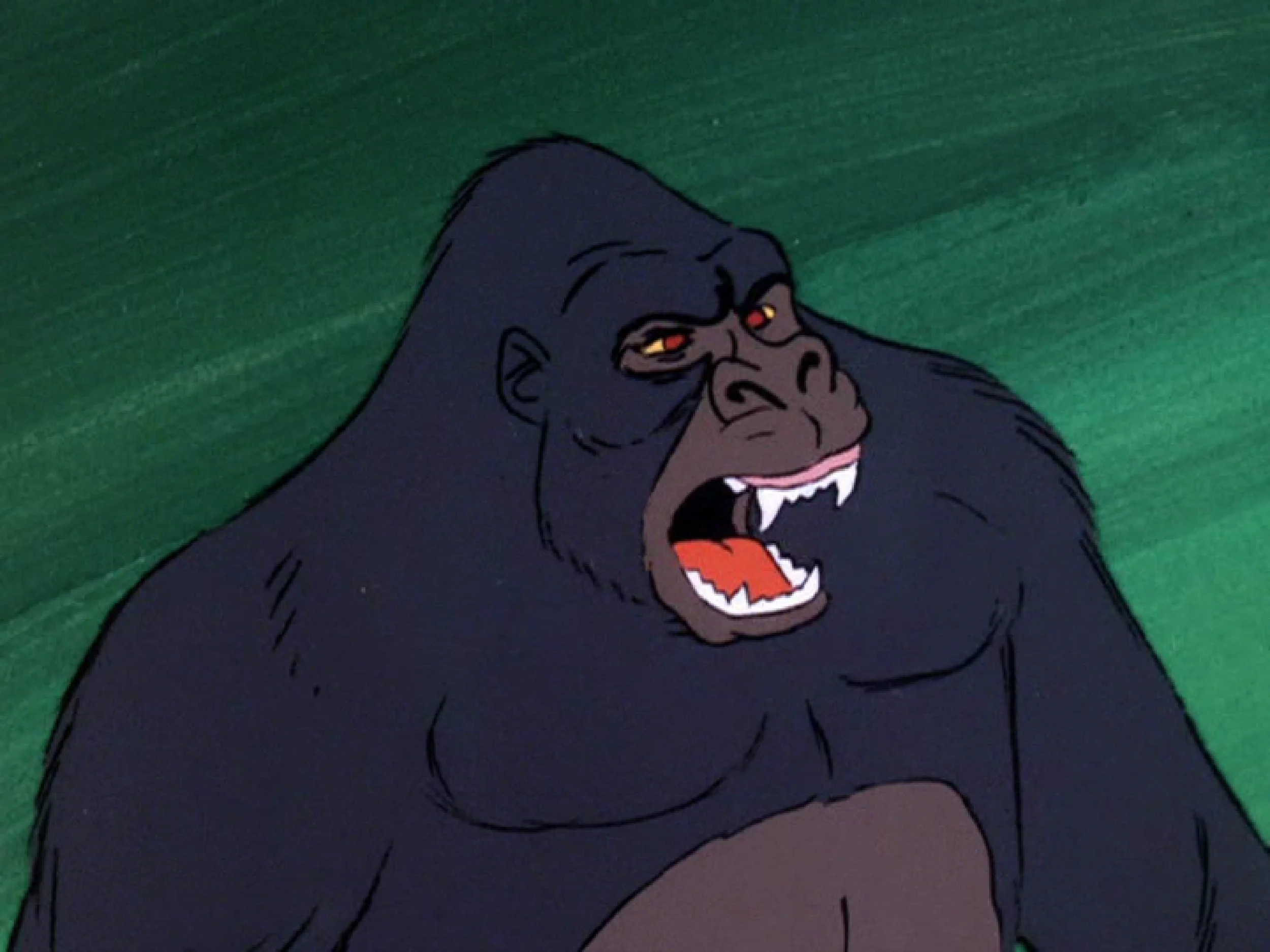
The Ape Man works because of raw physicality. He doesn’t rely on tricks or illusions. He climbs, lunges, and closes distance frighteningly fast. Every chase feels vertical and chaotic, with the gang scrambling through trees, ruins, and elevated spaces that offer no absolute safety.
Unlike many Scooby villains, the Ape Man feels unpredictable. There’s no precise rhythm to his appearances. He bursts into scenes suddenly, leaving no time to prepare. That unpredictability makes him feel volatile — like a threat that could escalate at any moment.
Strength, speed, and surprise are a dangerous combination.
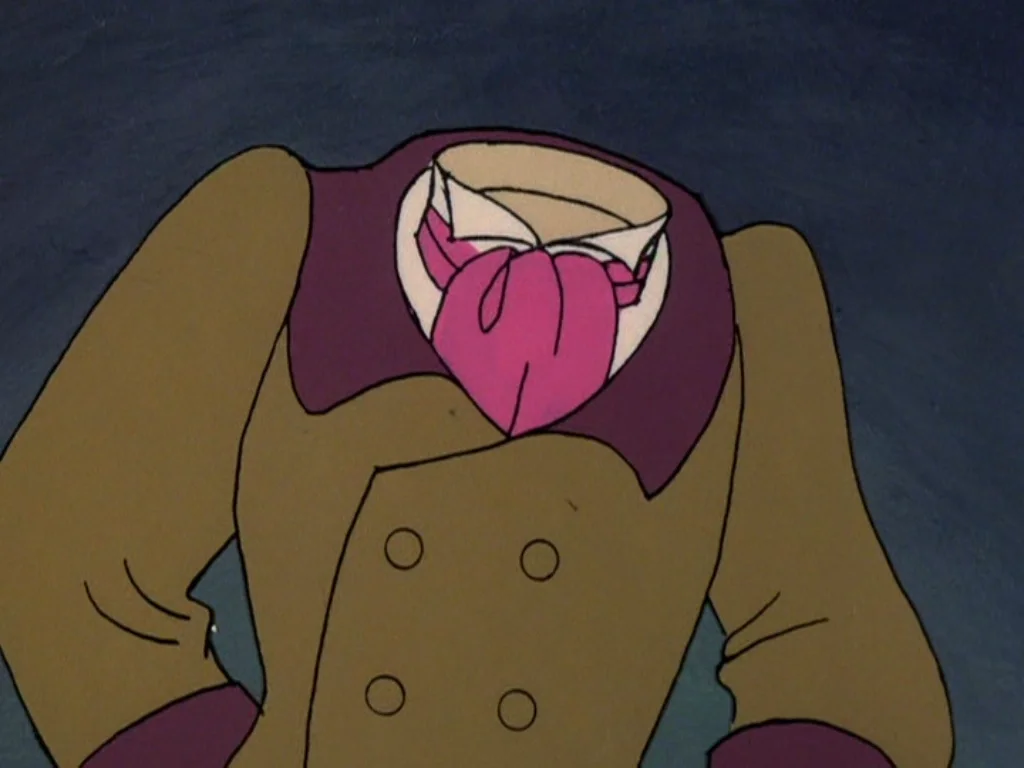
Then there’s the Headless Specter, a monster that feels dangerous because of how little he reacts. He doesn’t rush. He doesn’t panic. He advances steadily, calmly, as if nothing the gang does can slow him down.
The headless design strips away emotion entirely. There’s no face to read, no expression to anticipate—just movement and inevitability. Every encounter feels like the gang is being herded rather than chased.
That emotional detachment makes him deeply unsettling — and genuinely threatening.
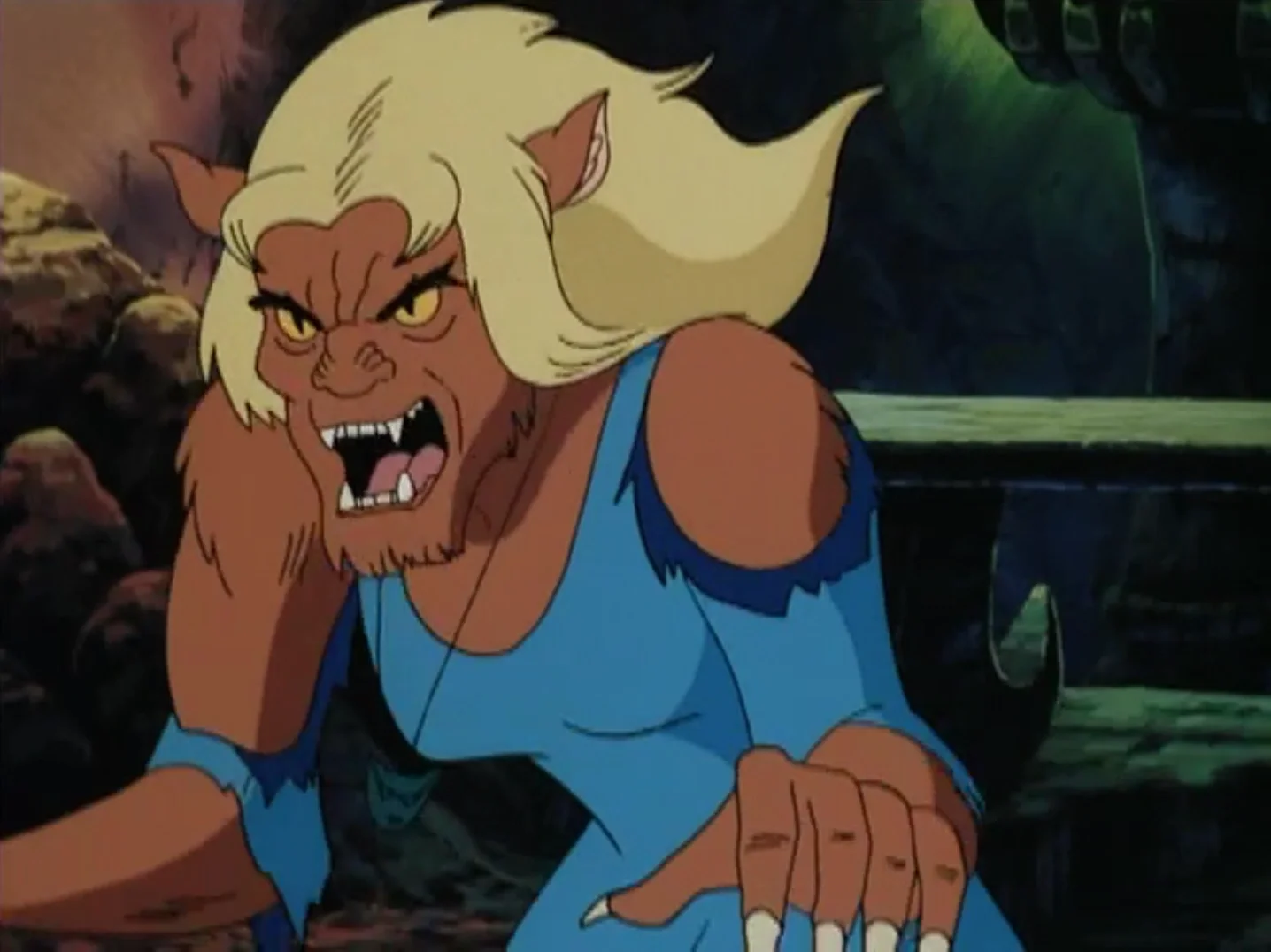
Moving into the movies, the werecats of Zombie Island change the stakes entirely.
For the first time, the monsters aren’t pretending to be something supernatural — they are. There’s no safety net. No unmasking that restores order. The danger is permanent, and the consequences are real.
The werecats hunt intelligently. They work together. They trap, isolate, and overwhelm. The gang isn’t solving a mystery so much as trying to survive long enough to escape.
That shift — from illusion to reality — makes these monsters some of the most dangerous Scooby has ever faced.
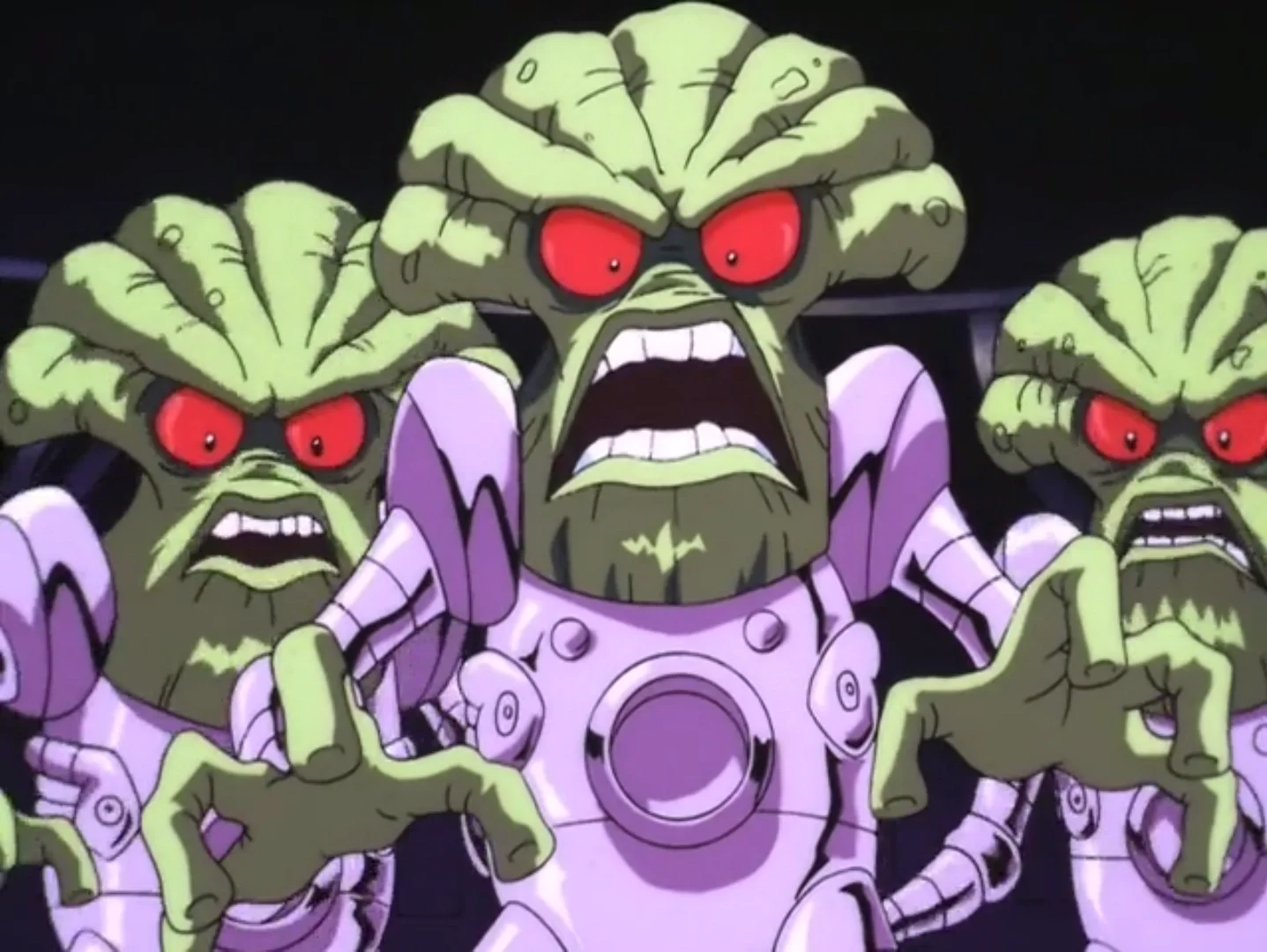
Similarly, the aliens from Alien Invaders feel dangerous because they operate beyond Scooby-Doo’s usual rules. They’re faster, more advanced, and utterly unconcerned with being caught.
What makes them especially threatening is that the gang can’t outthink them in the usual way. Technology replaces logic. Power replaces trickery. The familiar Scooby rhythm — chase, trap, reveal — doesn’t apply cleanly anymore.
The danger isn’t just physical. It’s existential. The gang is suddenly tiny in a vast universe.
What connects all of these monsters is a lack of control.
These villains:
limit escape routes
overwhelm physically or mentally
weaponise the environment
remove the gang’s usual advantage
They don’t give Mystery Inc. time to regroup. They force constant reaction instead of a strategy.
Final Thoughts
Scooby-Doo is usually a comfort watch — but monsters like these remind you that it didn’t get there by accident. Safety comes after danger, not instead of it.
These are the monsters that make the gang feel vulnerable.
The ones that turn familiar settings into threats.
The ones that prove Scooby-Doo can still raise the stakes when it wants to.
And when the mayhem hits this hard…
You really feel it.
Stay groovy — and keep unmasking.
Scooby Monsters That Almost Won
A comforting part of Scooby-Doo is knowing how it ends. The mystery is solved. The mask comes off. Everyone is safe.
Occasionally, it feels weird watching the old episodes, you can’t help sense the closeness around. Not in a dramatic, cliff-edge fashion- but quietly, subtly, in the way the gang loses control long before they ever learn to move on from it.
Some Scooby monsters didn’t simply frighten the gang. They nearly beat them.
When Scooby-Doo aired in 1969, danger looked very different. Monsters didn’t overwhelm the gang by speed or spectacle- they won ground bit by bit. They controlled space. They made places feel unsafe.
Take the Tar Monster. No clever disguise is doing the heavy lifting here, only raw and unstoppable presence. Traps fail. Running barely helps. The entire episode the gang spends reacting and scrambling for time rather than doing anything to help. If they hadn’t jumped in with the right solution, that monster would have outlasted them all.
Early Scooby-Doo villains often thrived on endurance. They needed no rush, they just had to keep at it.
And then there’s the spooky space kook, who almost gets away without touching anyone at all, At that abandoned airfield, he isolates the gang and strips them of noise, witnesses and comfort. Al those long stretches of silence, flashing lights and horrendous laugh, mentally it wears away the gang. The risk isn’t physical, it’s psychological. Panic is dangerously close to replacing logic.
That was something early Scooby did admirably: fear through emptiness.
But as the franchise goes forward, especially toward What’s new, Scooby-Doo? In the early 2000’s the kind of monsters that “almost win” change. The world becomes louder, faster and more kinetic, and so do the threats.
The phantom racer doesn’t capture the gang; he overwhelms them by never slowing down. High speeds remove thinking time. There is no space to regroup, no calm to plan. Danger comes from the movement itself. One mistake and things are much more immediate than on previous eras.
Just as villains such as the Roller Ghoster weaponise the environment in different fashions. Tracks, machinery and scale are all there to do it for them. The gang is constantly reacting to moving parts, momentum and timing instead of getting answers. Survival supersedes strategy.
What’s curious is that not one era is more dangerous than the other, they’re just hazardous in different ways.
Early Scooby monsters almost succeed because they make the gang feel really alone. Now monsters nearly win because they make them feel so completely overwhelmed.
It’s also true that in either case, the gang doesn’t win by strength. They win by remaining calm enough to think.
Which is why the episodes endure. They remind us that scooby-doo’s safety net was never there, but it was earned. The monsters that came closest to being victorious were by no means the loudest or the flashiest. It was they who held the pace, the space and the silence.
Those are the episodes where you stop and passively watch and realise: This might have gone so differently.
And perhaps that’s why we remember them.
Stay groovy- and keep unmasking.
Why Some Scooby-Doo Monsters Felt Too Real as a Kid
Scooby-Doo was never meant to be truly scary.
It was bright, funny, and comforting — a cartoon where everything turned out okay in the end.
And yet… some monsters stayed with us.
Not because they were violent or grotesque, but because they touched something quieter and more unsettling: isolation, silence, abandonment, and the fear of being alone in the dark.
These weren’t the loud, theatrical villains.
They were the ones who made the world feel empty.
Make it stand out
Whatever it is, the way you tell your story online can make all the difference.
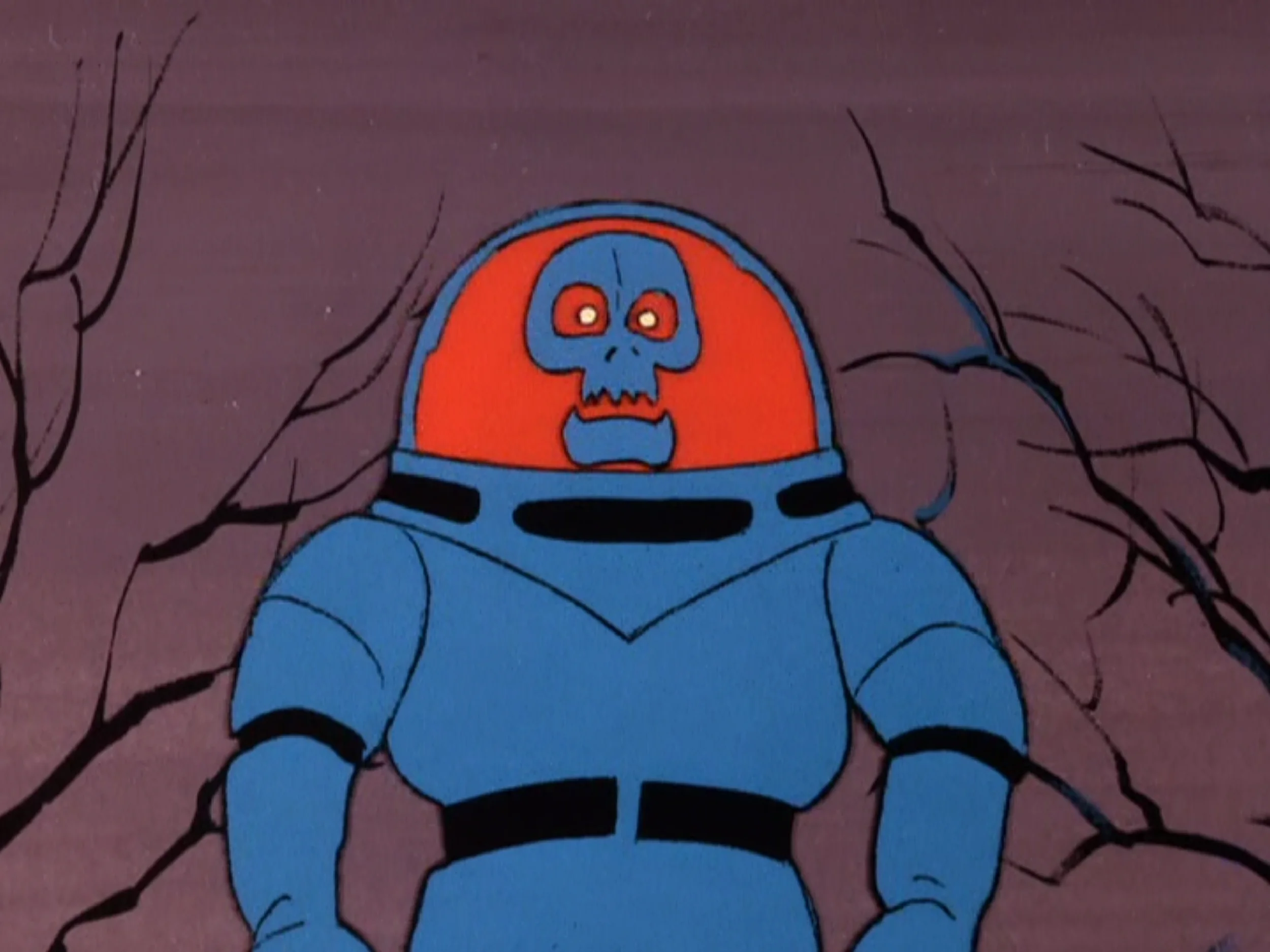
Spooky Space Kook — Fear of Isolation
The Spooky Space Kook didn’t chase the gang through crowded streets or haunted mansions. He trapped them in an empty airfield, surrounded by darkness, blinking lights, and silence.
What made him frightening wasn’t just his glowing skull — it was the setting.
Vast, open space
No help nearby
No familiar comfort
That hollow, echoing laugh cutting through the quiet
As kids, many of us were scared of being alone in big spaces. The Space Kook taps directly into that fear. There’s nowhere to hide, nowhere to run, and no sense that anyone else is coming.
That kind of emptiness feels real — even in a cartoon.
The Phantom Shadow — Fear of Being Followed
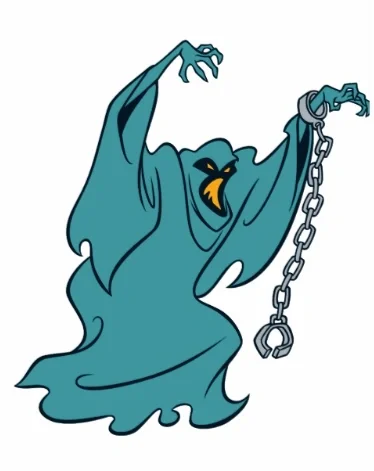
The Phantom Shadow moves through city streets at night, blending into alleys, shadows, and urban silence. He doesn’t roar or announce himself — he appears, then vanishes.
That taps into a very human fear:
The sense that someone is behind you when you’re walking alone.
Familiar locations turned unsafe
Darkness swallows doorways and streets
The feeling of being watched
This monster feels real because it mirrors a fear many kids experience for the first time: realising that danger doesn’t always look monstrous. Sometimes it seems like a shadow that won’t go away.
The Swamp Zombie — Fear of Relentless Pursuit
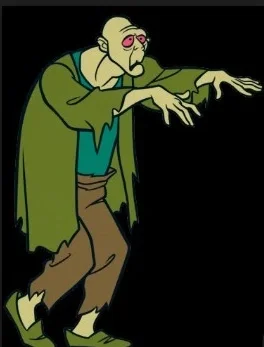
Unlike some Scooby monsters that run or leap, the Zombie never stops moving.
Slow.
Heavy.
Unavoidable.
That steady pursuit hits differently. There’s no chaos, no panic — just inevitability. The zombie doesn’t rush because he doesn’t need to. He knows he’ll catch you eventually.
For a child, that kind of monster feels terrifying because it mirrors helplessness:
You can’t outrun everything
You can’t always fight
Sometimes the fear is knowing you’ll be caught
It’s subtle, but deeply unsettling.
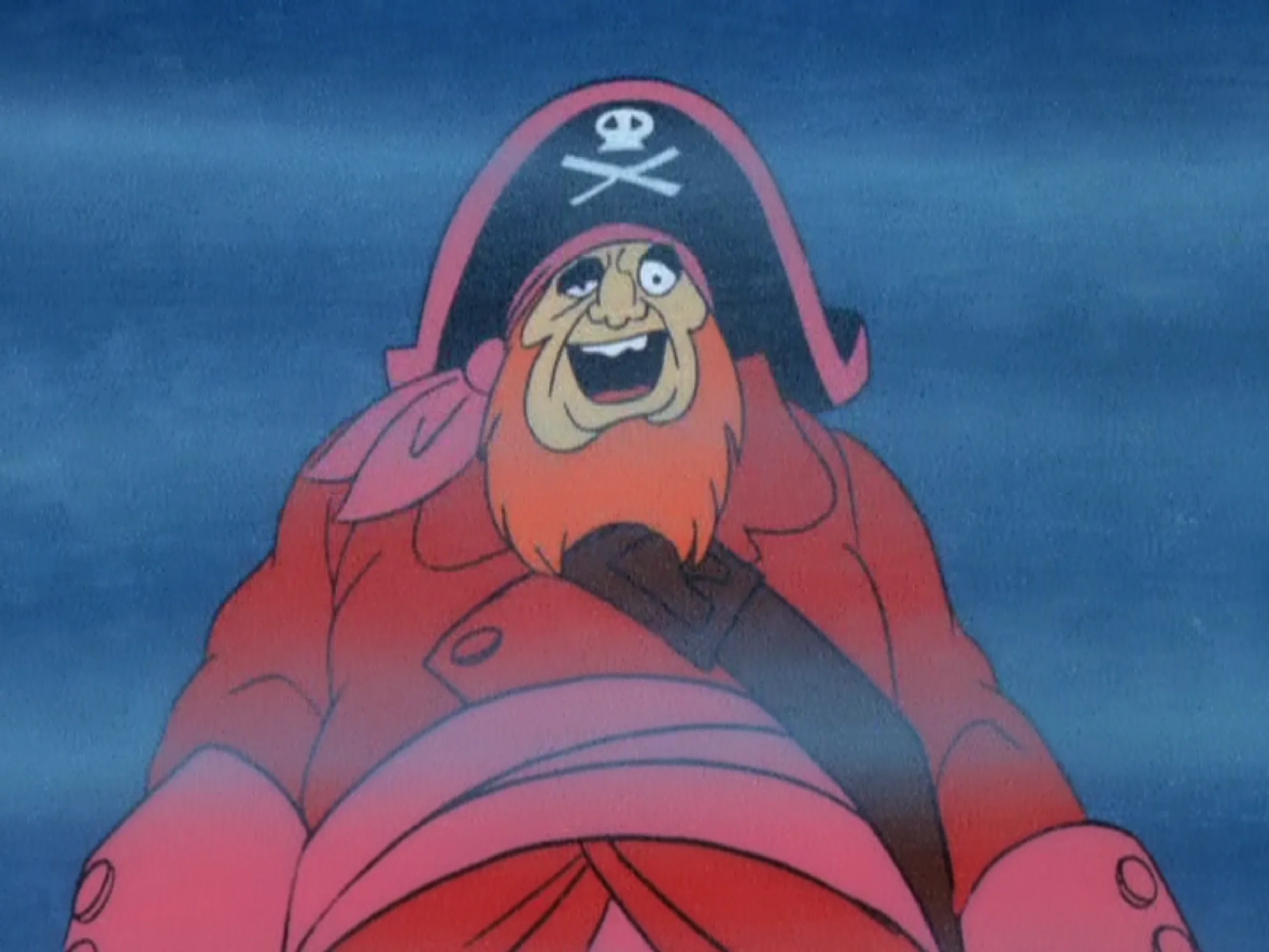
The Ghost of Redbeard — Fear of Loss and the Unknown
Pirate ghosts are fun… until you’re a kid imagining the ocean at night.
Redbeard’s story is wrapped in:
shipwrecks
drowning
isolation at sea
being lost forever
The fear here isn’t just the ghost — it’s what he represents. The ocean is vast, cold, and unknowable. Redbeard carries the weight of stories we half-understood as children but felt deeply anyway, helping adults connect with their own emotional experiences.
This is Scooby tapping into existential fear, whether it meant to or not.
Why These Monsters Stayed With Us
What connects all of these villains isn’t just their designs — it’s how they evoke childhood fears, helping adults feel understood and nostalgic.
Silence instead of noise
Empty places instead of crowds
Slow movement instead of chaos
Familiar fears instead of fantasy
These monsters didn’t scare us because they were supernatural.
They scared us because they felt possible.
And maybe that’s why we remember them.
Why We Love Them Now
Revisiting these monsters as adults feels different.
What once unsettled us now feels atmospheric, clever, and strangely comforting. We can see how Scooby-Doo gently introduced complex emotions — fear, tension, uncertainty — in a safe, digestible way.
The monsters weren’t meant to traumatise us.
They were meant to teach us how to sit with fear — and then unmask it.
Final Thoughts
Scooby-Doo didn’t scare us by accident.
It was understood that the quiet moments — the empty spaces, the shadows, the waiting — were where fear lived. And it trusted kids to feel that, process it, and come out the other side laughing.
Those monsters stayed with us because they were honest-honest reflections of real childhood fears that resonate into adulthood, inviting deeper media analysis.
And honestly?
That’s beautiful.
Stay groovy — and keep unmasking