
Nostalgic Mystery is where I revisit Scooby-Doo’s classic villains, eerie episodes, and forgotten frights from the 1960s through the 2000s. This category focuses on atmosphere, lore, and the kind of spooky storytelling that shaped childhood memories — quiet hauntings, gothic settings, and villains that lingered long after the mask came off, helping fans feel connected to their past and evoking a sense of comfort and nostalgia.
Why Scooby-Doo Is My Comfort Show
Scooby-Doo has always felt less like a TV show and more like a presence in my life. Something that’s just always been there, in different forms, at various stages, quietly following me along.
Some of my earliest memories of Scooby-Doo are from when I was out of school. Those half-sick days where you’re wrapped in a blanket on the sofa, the house is quiet, and daytime TV feels like a secret world you’re not usually allowed into. I remember watching the original Scooby-Doo series in those moments, the 1969 episodes with their soft colours and slow pacing. There was something about them that perfectly matched the mood of those days. Calm, slightly eerie, but never overwhelming.
It felt like company.
As I got older, Scooby just… kept appearing. What’s New, Scooby-Doo? was on when I was growing up, and it felt like a natural continuation rather than a replacement. Brighter, louder, more modern, but still familiar. Same voices, same rhythm, same comfort. Even as the animation style changed, the feeling remained the same.
It was still Scooby.
The movies are where the nostalgia really hits though. I had The Witch’s Ghost and Ghoul School on VHS, and I watched them over and over. There’s something about owning a film physically as a kid that makes it feel more personal, like it belongs to you rather than just something that exists on a channel.
The Witch’s Ghost is still my favourite to this day. It feels darker than the others, more atmospheric, yet still gentle. The setting, the story, the Hex Girls — it all stuck with me. It felt like a Scooby story that trusted its audience to sit with a little bit more mood, a little more unease, without ever crossing into anything too intense.
Even now, it’s the one I always go back to.
Looking back, I think Scooby-Doo worked so well as a comfort show because it never asked much of me. You don’t have to follow a complicated storyline. You don’t have to prepare yourself emotionally. You can drop into any episode, any era, any film, and you already know the rules.
They arrive somewhere strange.
Something weird happens.
They get scared.
They figure it out.
The mask comes off.
No matter how spooky the setting, the ending is always the same. Fear is temporary. Everything has an explanation. Nothing is ever truly out of control.
As an adult, I still put Scooby-Doo on in the same way I did as a kid when I’m tired, when I need background noise that doesn’t feel like noise, when I want something familiar that doesn’t demand attention.
It’s not about nostalgia in a “things were better then” way. It’s more than Scooby-Doo feels like a constant. A thread that runs from childhood into adulthood without really changing shape.
Different art styles, other voices, different formats — but the same feeling.
I think that’s why Scooby-Doo will always be my comfort show. Not because it’s perfect, or groundbreaking, or even especially deep — but because it’s consistent. It’s gentle. It never surprises you in ways that feel cruel or overwhelming.
It just shows up, does what it’s always done, and leaves you a little calmer than it found you.
And honestly, that’s magical.
Stay groovy — and keep unmasking.
Why Do People Hate Scrappy-Doo?
At some point, it became normal to say you hate Scrappy-Doo.
Not dislike. Hate.
As if it’s a universal rule of Scooby-Doo fandom that scrappy ruined everything, and questioning that opinion feels almost taboo.
But when you actually stop and look at where Scrappy came from, and what he was meant to do, the hatred starts to feel…exaggerated.
Scrappy didn’t appear out of nowhere. He was introduced in 1979, when Scooby-Doo was struggling. Ratings were dropping, formats were changing and the original group dynamic wasn’t holding audiences the way it once had.
Scrappy was designed as a disruption — more minor, louder, braver, and intentionally annoying. He wasn’t meant to replace the gang; he was meant to inject energy into a franchise that had gone quiet.
And for a while, it worked.
So where did things go wrong?
A big part of the backlash stems from overexposure. Scrappy didn’t just join the gang — he took over. Fred, Daphne, and Velma were gradually sidelined, leaving Scrappy to dominate episodes alongside Scooby and Shaggy.
For fans who loved the original group dynamic, this felt like a loss. Scooby-Doo was never meant to be about one loud character — it was about balance. When that balance disappeared, Scrappy became an easy target.
There’s also the tone issue.
Scrappy was aggressive in a way Scooby never was. He ran towards danger instead of away from it. That inversion was funny in small doses, but exhausting when it became the show's main engine.
Scooby-Doo works best when fear drives the comedy. Scrappy disrupted that rhythm and, in doing so, changed how the show felt — even when the mysteries themselves remained familiar.
Then came the cultural rewriting.
Over time, Scrappy stopped being just “the annoying one” and became the symbol of everything fans disliked about later-era Scooby-Doo. He was blamed not just for tonal shifts, but for creative decisions far beyond his control.
By the time Scooby-Doo (2002) arrived and turned Scrappy into the villain, the joke had solidified. The franchise itself was now reinforcing the idea that Scrappy was a mistake.
And once a narrative like that takes hold, it’s hard to undo.
What often gets lost is that Scrappy wasn’t inherently bad — he was misused.
In moderation, he works as a contrast, not a replacement. When he pops up briefly in later series, stripped of his dominance and softened just enough, he becomes oddly charming again. A reminder that the problem was never his existence — it was how heavily the franchise leaned on him.
Maybe the question isn’t why do people hate Scrappy-Doo?
Perhaps it’s why the franchise let him carry so much blame?
Scrappy is less a villain and more a cautionary tale: about imbalance, overcorrection, and how nostalgia often flattens nuance. It’s easier to blame one character than to admit a show was struggling and trying to survive.
And honestly? For a tiny puppy with a big voice, that’s a lot to carry.
Stay groovy — and keep unmasking.
The most atmospheric Scooby-Doo episodes (no jump scares needed)
Scooby-Doo has never needed jump scares to be unsettling.
At its best, the show understands that atmosphere — not shock — is what makes a mystery linger. Quiet hallways, empty locations, slow footsteps, fog rolling in at the wrong moment. These details create a sense of familiarity and appreciation for fans who value mood over jump scares.
These are the Scooby-Doo episodes that rely on mood, silence, and setting, proving that atmosphere alone can carry a scare and create a lasting sense of unease, often more memorable than quick shocks.
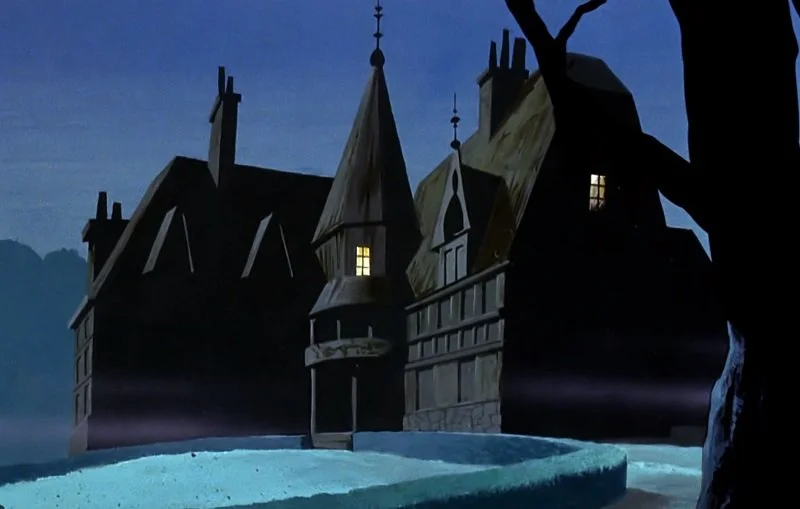
What the hex is going on?
Scooby-Doo, Where Are You!
A crumbling estate. A ghost guarding an inheritance. Rooms that feel too big and too empty.
This episode is pure gothic Scooby. The mansion doesn’t feel like a place people live — it feels like a place time forgot. The Ghost of Elias Kingston barely needs to move; his presence alone fills the space. Long hallways, secret passages, and flickering lights do all the work.
Why it works:
slow pacing
minimal monster appearances
a setting that feels heavy with history
This episode trusts atmosphere completely — and it pays off.
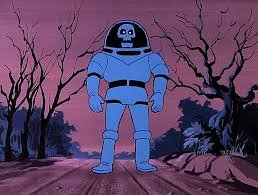
Spooky Space Kook
Scooby-Doo, Where Are You!
An abandoned airfield at night creates a tense atmosphere that draws viewers in. Silence, flashing runway lights, and echoing sounds heighten the episode’s focus on spatial fear, maintaining engagement through immersive environment cues.
The Space Kook isn’t frightening because of what he does — he’s scary because of where he is. The vast emptiness makes every sound feel louder, heightening the audience's sense of vulnerability and fear.
Why it works:
extreme isolation
wide, empty spaces
sound design is doing most of the heavy lifting
This episode exemplifies how Scooby understood spatial fear early on, showcasing techniques that media analysis students can analyse for their effectiveness in creating suspense and fear.
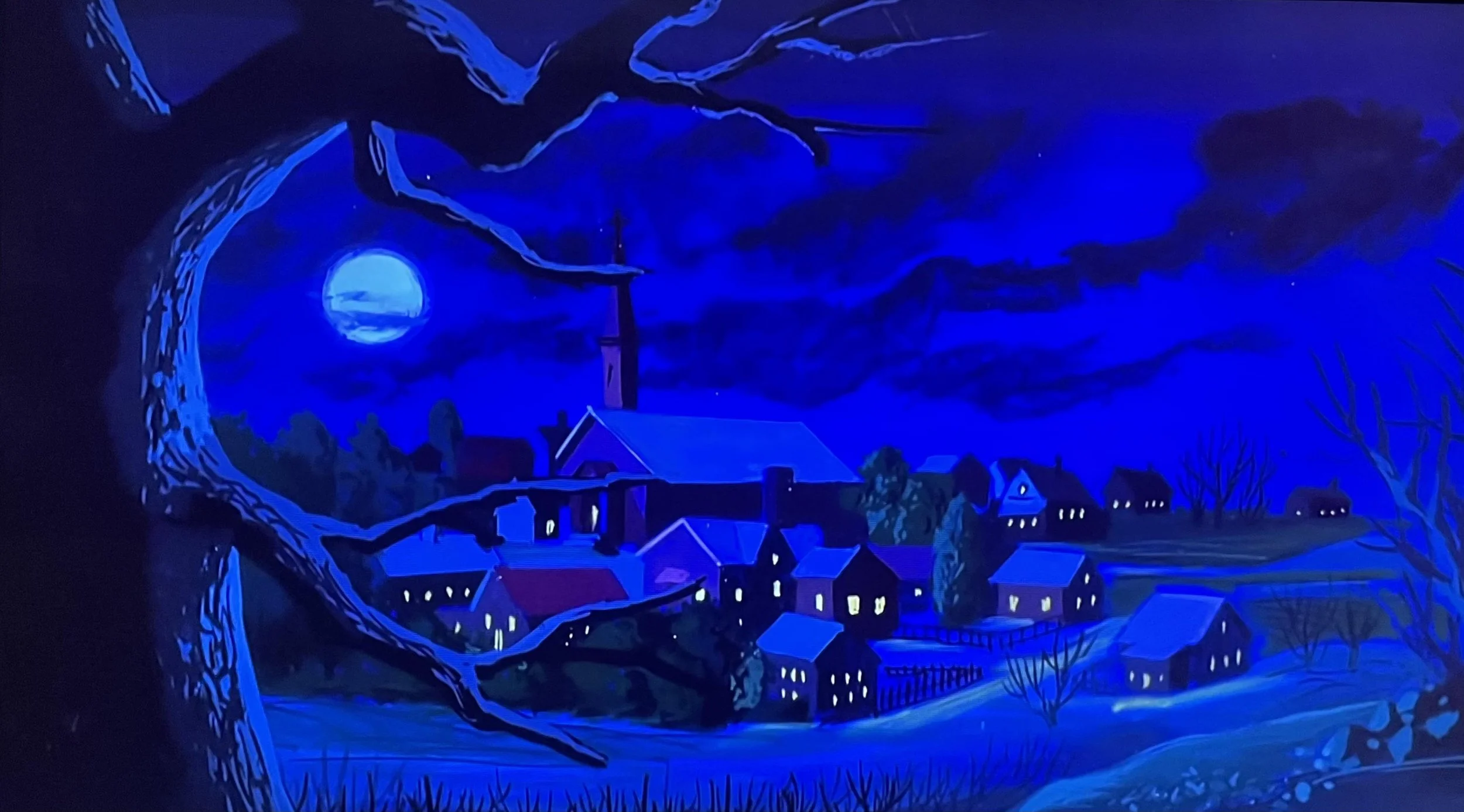
To Switch A Witch
The Scooby-Doo Show
Salem on Halloween. Fog. Ancestral curses. A witch tied to old wrongs.
This episode leans hard into folklore and tradition, letting superstition and history shape the fear. The witch doesn’t need constant screen time — the idea of her is enough. Everything feels suspended in a seasonal stillness, as if the town itself believes in the haunting, creating a cosy yet eerie mood that invites viewers to feel immersed and intrigued.
Why it works:
folklore-driven tension
nighttime village setting
slow, deliberate reveals
It’s spooky without ever rushing, fostering a calm curiosity and a gentle suspense that encourages viewers to savour the slow-building tension.
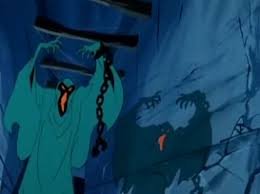
A Night Of Fright Is No Delight
Scooby-Doo, Where Are You!
This episode feels less like a cartoon mystery and more like a classic ghost story told in whispers, inviting viewers to feel intrigued and eager to uncover its secrets. An isolated mansion, a ticking inheritance clause, and a series of fear tests designed to push the gang to their limits.
One of the most unsettling elements is The Phantom Shadow — a silent, drifting presence that appears without warning and vanishes just as quickly. Its lack of chase or loud threats heightens psychological fear, reinforcing the feeling that something is always watching in the house.
Why it works:
prolonged silence
slow, deliberate pacing
psychological fear rather than action
the Phantom Shadow acting as atmosphere, not spectacle
This episode proves Scooby-Doo could be deeply unsettling without ever raising its voice, encouraging viewers to feel a sense of quiet dread and admiration for its psychological depth.
Why These Episodes Still Work
None of these episodes relies on jump scares, loud music, or fast cuts. They succeed because they understand that fear grows in:
silence
empty spaces
stillness
anticipation
They respect the viewer’s imagination — and that’s why they’ve aged so well.
Final Thoughts
Identifying the key storytelling elements that made Scooby-Doo effective, because understanding these helps us see how atmosphere influences lasting appeal.
It built worlds that felt slightly off, places where something could happen at any moment — and trusted us to feel that subtlety, encouraging viewers to feel respect for the storytelling.
These episodes remind us that atmosphere, built through subtlety and anticipation, is timeless and continues to evoke feelings of wonder and respect.
No jump scares required.
Stay groovy — and keep unmasking.
Unmasking the most underrated monsters from the ’60s-’00s
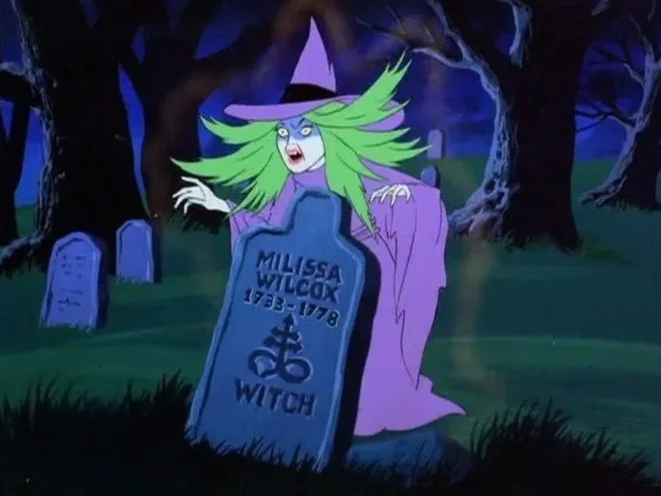
The Scooby-Doo Show" To Switch A Witch (TV Episode 1978)
Unmasking a forgotten fright: The Witch of Salem
SERIES: The New Scooby-Doo Movies
EPISODE: “To switch a witch” (1978)
PREMISE: The gang visits friend Arlene Wilcox in Salem on Halloween, where the ghost of an ancestor — the Witch of Salem (Milissa Wilcox) — appears. Strange hexes, spooky vanishings, and classic New England atmosphere follow.
Why it stands out: it leans into colonial-gothic vibes more than most Scooby episodes — Salem fog, old family grudges, and a ghostly show of power that’s all mood and menace.
First Impressions of the Witch
The witch’s on-screen presence is memorable because of simple, effective choices:
Pale,(iconic purple!) tattered gown and pointy hat — classic witch silhouette.
A yellow/greenish glow that makes her feel otherworldly.
Long, wild hair and exaggerated facial features when she reveals herself.
Slow, floating movement and a cackling, echoing voice.
She isn’t flashy in design, but her shape, glow, and the Salem backdrop combine into a proper spooky moment.
The Lore Behind the Mask
This episode draws on Salem witch-trial iconography: a burned-at-the-stake backstory, ancestral curses, and small-town superstition. The witch’s haunting isn’t just theatrical — it’s framed as a generational grievance, which is what makes the setting feel authentic and creepy.
The Unmasking — Who Was She?
Spoiler: The spirit of Milissa Wilcox is connected to Arlene Wilcox — the episode centres on mistaken identities and family secrets, the face behind the mask was Arlene’s twin sister, but the real motive behind the haunting is tied to more terrestrial greed and deception (classic Scooby logic: someone used the legend to cover up a criminal scheme.)
Why This Episode Deserves a Rewatch
It’s one of the better Salem-themed Scooby tales, leaning into a haunting mood rather than jump scares.
The production choices (glow effects, fog, music cues) create a charmingly vintage, spooky vibe.
It’s a neat example of how Scooby blends folklore with small-town mystery and, yes, a dash of dapper robbery.
If you’ve not watched it in years, give it a rewatch — you might find yourself appreciating the gothic flavour you missed as a kid.
Final Thoughts
To Switch a Witch is vintage Scooby: atmospheric, slightly eerie, and ultimately grounded in a human motive that reveals itself beneath the spook. It’s the kind of episode where the setting — Salem, fog, and all — becomes a character of its own.
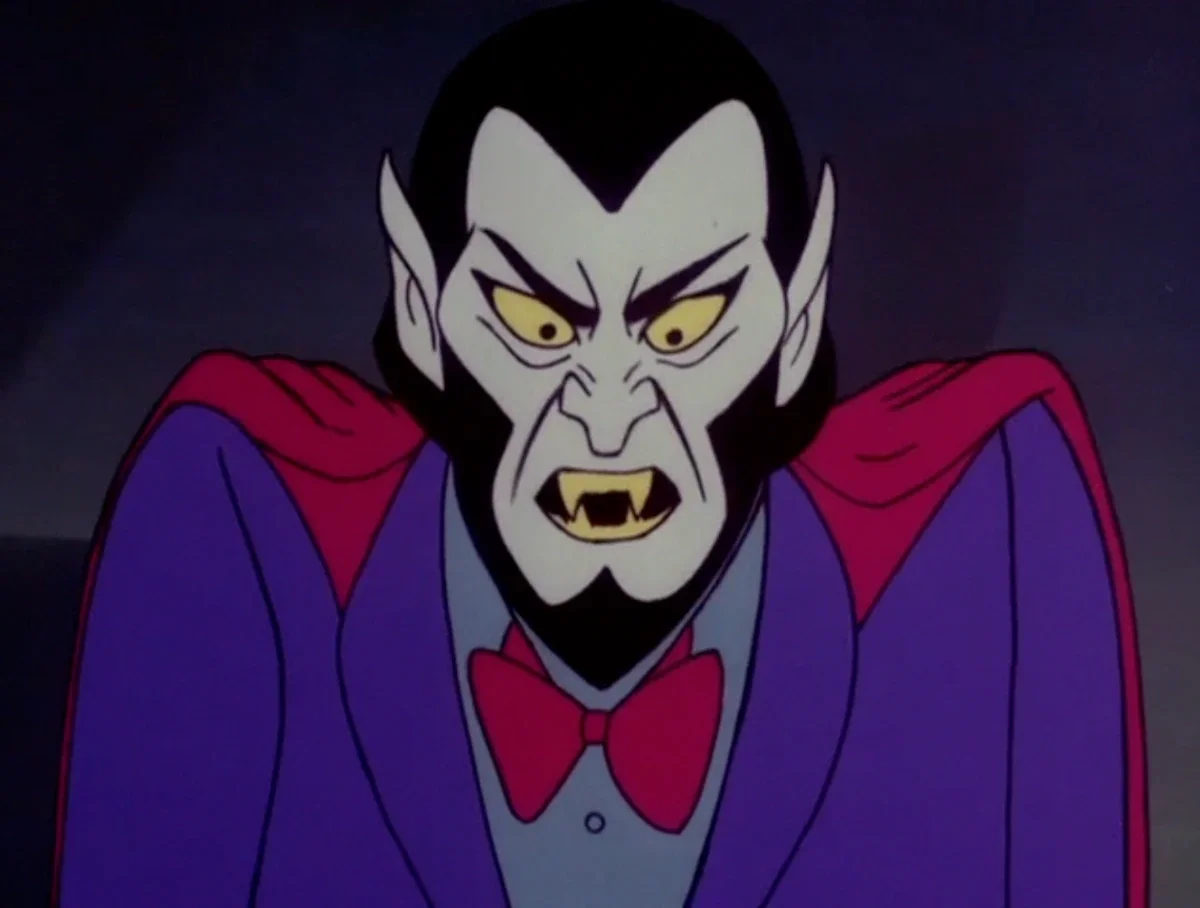
Unmasking a forgotten fright: Gramps the vamp.
SERIES: The Scooby-Doo Show
EPISODE: Vampire bats and scaredy cats.
PREMISE: The gang visits Daphne’s friend Lisa for her birthday at an ancient hotel that Lisa will inherit the day after her eighteenth birthday. Velma says there are believed to be vampires on the island, but she thinks it is nonsense. But when a real vampire shows up and Lisa is turned into a vampire herself, the vampire legend becomes very believable.
Why it stands out:
This episode leans HARD into traditional monster horror — witches, vampires, curses — all wrapped in that unmistakable late-60s Scooby atmosphere.
First impressions of Gramps
From his very first appearance, Gramps commits to the bit:
Pale blue-grey skin
Sharp yellow eyes
Long pointed ears
Dramatic widow’s peak
Red-lined purple cape
Bow tie and formal suit (because even vampires must dress well)
He doesn’t just look like a vampire — he looks like a classic gothic cartoon vampire, straight out of a 1930s horror poster. His expressions are exaggerated, his movements theatrical, and his presence commands attention every time he’s on screen.
Is he realistic? No.
Is he perfect? Absolutely.
The lore behind the mask
Gramps the Vamp taps directly into old-school vampire imagery. Aristocratic menace, Heavy Eastern European-inspired styling, A mix of charm and cruelty, Strong “haunting the countryside” energy
Unlike subtler Scooby villains, Gramps wants to be seen. He thrives on fear, drama, and intimidation — which makes the episode feel closer to a classic monster movie than a standard mystery.
This is Scooby-Doo playing dress-up with Universal Horror, and it works beautifully.
The unmasking- was it satisfying?
The big reveal reveals Leonard Keeler, a human culprit who uses the vampire persona to scare people away and protect his criminal interests.
Classic Scooby-Doo logic applies: create a terrifying legend, convince everyone it’s supernatural, and use fear to keep witnesses away.
Does the unmasking explain everything?
Mostly.
Does it fully justify how convincingly vampiric Gramps looked?
Not really — but that’s part of the fun.
Why Gramps the Vamp Deserves More Love
He’s one of Scooby-Doo’s purest monster designs
The animation leans fully into gothic exaggeration
His design is instantly recognisable
He perfectly represents Scooby’s love for classic horror tropes
He’s campy without being silly
Gramps isn’t forgotten because he’s bad — he’s forgotten because Scooby-Doo has so many iconic monsters. But revisiting him reminds you just how stylish and fun those early villains were.
Final Thoughts
Gramps the Vamp is Scooby-Doo at its most theatrical: dramatic cape flips, sinister stares, and old-school monster energy. He’s spooky, stylish, and completely unashamed of it.
If you love your Scooby villains classic, gothic, and gloriously dramatic, Gramps deserves a permanent place in your spooky nostalgia lineup.
Did he scare you as a kid — or were you too busy admiring the cape?
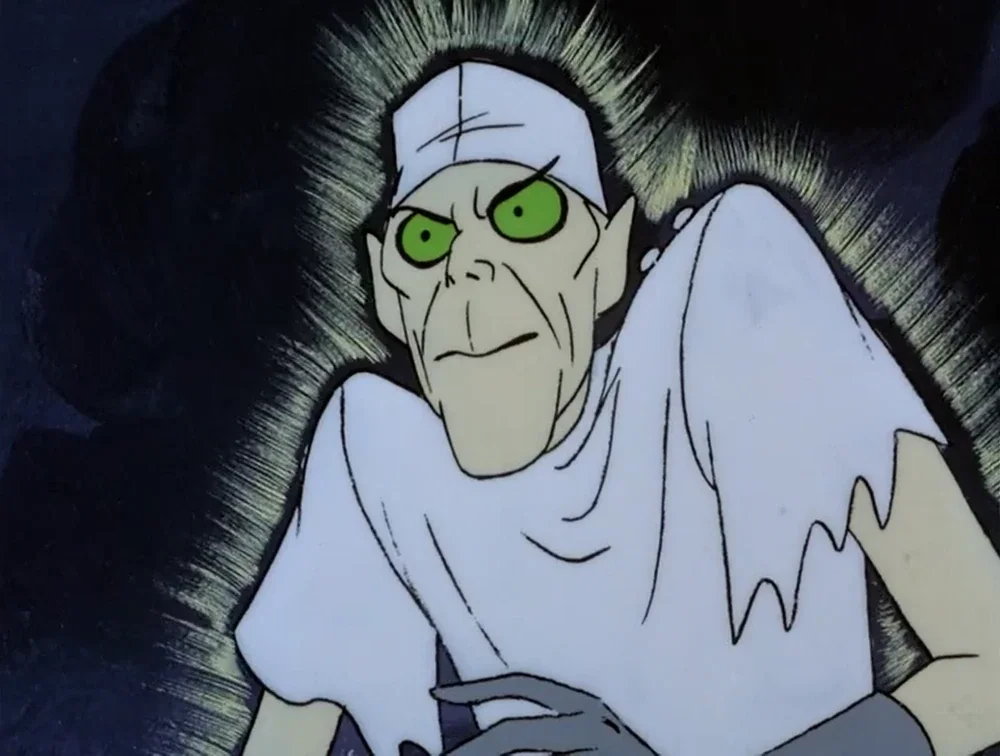
Unmasking a Forgotten Fright: Dr Coffin
SERIES: The Scooby-Doo Show
EPISODE: “The Harum-scarum sanitarium”
PREMISE: On vacation in Niagara Falls, the gang ends up at a mental asylum haunted by a former doctor ghost, Dr Coffin. When the kids notice ambulances coming and going with no patients, they decide to find out what they are really carrying.
Why it stands out:
This episode plays with misdirection, making viewers question which threat is real—and which is an elaborate disguise.
First Impressions of Dr Coffin
From the moment Dr Coffin enters the story, something feels… off.
Pale, stern face
Sharp features and sunken eyes
Formal black clothing
Cold, clipped speech
A total lack of warmth or humour
Unlike the cartoonish monsters around him, Dr Coffin feels too real — the kind of character who doesn’t need a mask to be unsettling. He blends into the setting just enough to avoid suspicion… at first.
The Lore Behind the Persona
Dr Coffin represents a classic Scooby trope:
The authority figure is hiding something sinister.
While other villains rely on folklore, Dr Coffin weaponises trust. He positions himself as a logical, educated presence amid superstition, which makes it easier for him to manipulate events behind the scenes.
He doesn’t need glowing eyes or fog machines.
He needs people to believe him.
The Unmasking — Was It Satisfying?
The reveal confirms what attentive viewers already suspected:
Dr Coffin is one of the criminals orchestrating the scares, using the supernatural chaos as cover for illegal activity.
His motive is classic Scooby logic:
Create confusion
Exploit fear
Stay hidden behind respectability
It’s not the most dramatic unmasking — but it is one of the most believable.
Why Dr Coffin Deserves More Love
He proves Scooby villains don’t need costumes to be creepy
His calm demeanour contrasts brilliantly with the episode’s monsters
He represents a more grounded kind of threat
He adds depth to an episode already packed with villains
Dr Coffin is often forgotten because he isn’t flashy — but that subtlety is precisely what makes him effective.
Final Thoughts
Dr Coffin is a reminder that Scooby-Doo’s smartest scares aren’t always the loudest. Sometimes, the creepiest villain is the one who blends in, speaks softly, and smiles just a little too late.
If you love Scooby mysteries that reward close watching and quiet suspicion, Dr Coffin is absolutely worth revisiting.
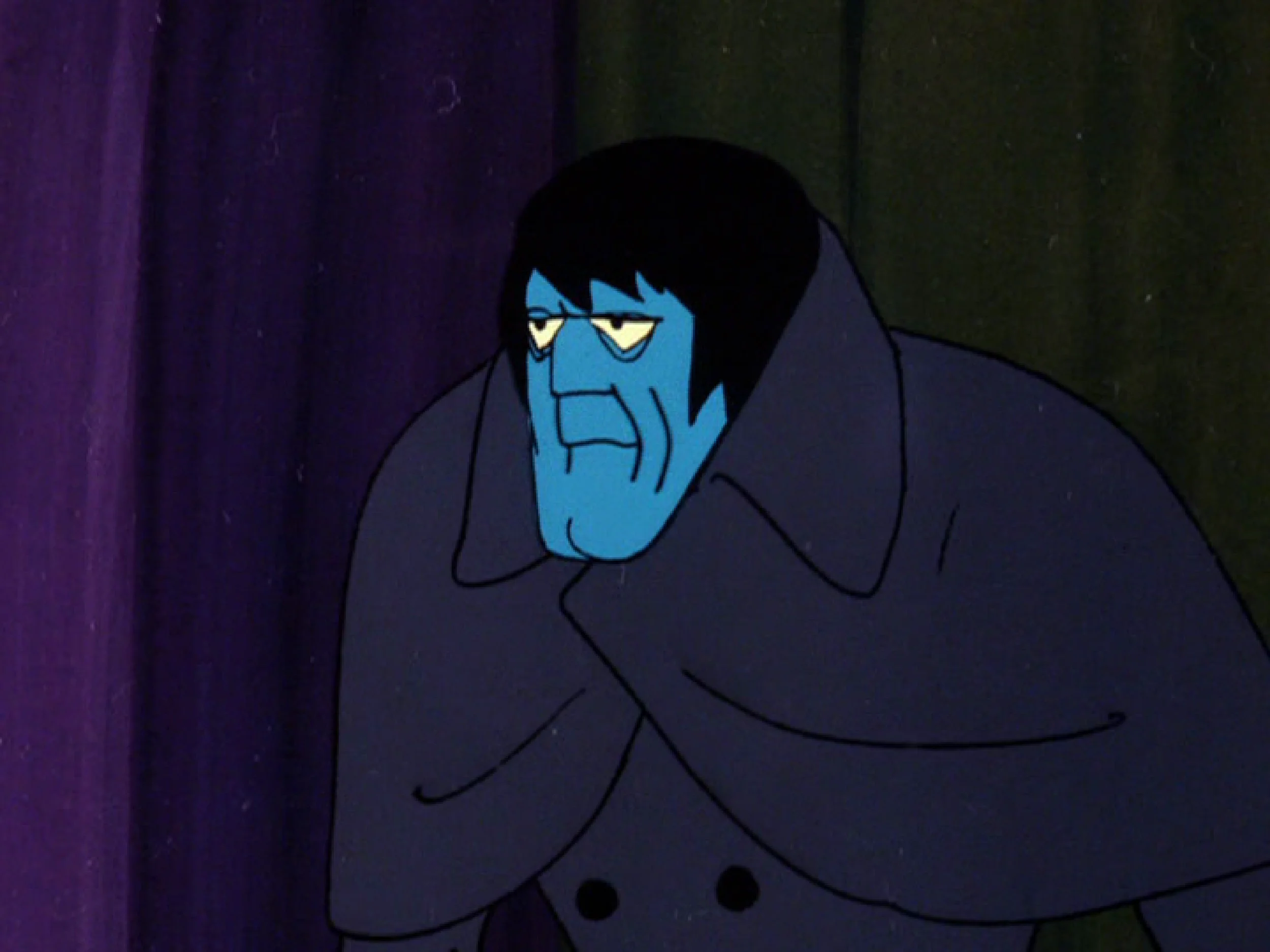
Unmasking a Forgotten Fright: The Ghost of Elias Kingston
SERIES: Scooby-Doo, Where Are You!
EPISODE: “What the Hex Going On?” (1969)
PREMISE: The gang arrives at the crumbling Kingston estate, where the ghost of Elias Kingston is said to haunt the halls, guarding his fortune and terrorising anyone who dares step inside. With secret passages, flickering lights, and a suspicious family dynamic, this episode is pure early-Scooby gothic mystery.
Why it stands out:
It leans heavily into haunted-inheritance horror, a trope Scooby-Doo executed flawlessly in its earliest episodes.
First Impressions of Elias Kingston
Elias Kingston doesn’t burst onto the screen — he emerges.
Tall, skeletal frame
Pale blue, semi-transparent glow
Hollow eyes and sunken features
Long, flowing robes
Slow, drifting movement with no footsteps
He feels less like a costumed villain and more like a presence — the kind of ghost that watches from the end of a hallway rather than sprinting after you.
This is Scooby-Doo doing quiet horror, and it works beautifully.
The Lore Behind the Ghost
Elias Kingston’s story taps into classic gothic themes:
A wealthy, reclusive ancestor
A cursed estate
Greedy heirs circling a fortune
A ghost bound to unfinished business
The idea that Elias still guards his wealth from beyond the grave lends the story a haunting emotional weight — even before the truth is revealed. The mansion itself feels alive with secrets, reinforcing the sense that something is deeply wrong within its walls.
The Unmasking — Was It Satisfying?
The ghost is revealed to be Stuart Wetherby, a relative attempting to scare others away so he can claim the Kingston inheritance for himself.
It’s a classic Scooby reveal:
Greed disguised as a haunting
Fear used as a weapon
Superstition exploited for profit
Does it fully explain how convincing Elias’s ghostly appearance was?
Not entirely — but that’s part of the charm.
Why Elias Kingston Deserves More Love
One of the most gothic Scooby ghosts
The haunted mansion setting is peak 1969 Scooby
His design is eerie without being exaggerated
The episode rewards slow, attentive watching
He represents Scooby’s roots in classic ghost stories
Elias Kingston doesn’t rely on spectacle — he relies on mood, and that’s why he lingers in memory.
Final Thoughts
The Ghost of Elias Kingston is Scooby-Doo at its most atmospheric: dim hallways, whispered legends, and a ghost that feels genuinely tied to the space it haunts.
If you love Scooby episodes that feel like old Gothic novels brought to life, this one is essential viewing.
Closing the Case: Why These Villains Still Matter
Scooby-Doo has given us hundreds of monsters, ghosts, and creeps over the decades — but the ones that linger aren’t always the loudest or the most famous.
The Salem Witch, Gramps the Vamp, Dr Coffin, and the Ghost of Elias Kingston all share something special: atmosphere.
They rely on mood over mayhem, on quiet dread rather than spectacle, and on storytelling that trusted viewers to feel unsettled without being overwhelmed.
These villains come from an era when Scooby-Doo leaned into gothic settings, fog-filled halls, inheritance plots, and the idea that fear often grows best in silence. Whether it was a glowing witch on Halloween night, a dramatic vampire prowling the countryside, a doctor hiding behind respectability, or a ghost bound to his crumbling estate, each one reflected a different shade of classic mystery.
And that’s why revisiting them matters.
These stories remind us that Scooby-Doo wasn’t just about punchlines and pratfalls — it was about mystery, aesthetics, and the thrill of unmasking something that felt real, even when it wasn’t. They shaped how many of us first understood spooky storytelling, and they still hold up decades later.
If you grew up loving the quiet chills, the old houses, the dramatic villains, and the unspoken tension — these are the episodes that built that love.
The masks may come off in the end, but the atmosphere stays with you.
Stay groovy — and keep unmasking.