
The most atmospheric Scooby-Doo episodes (no jump scares needed)
Scooby-Doo has never needed jump scares to be unsettling.
At its best, the show understands that atmosphere — not shock — is what makes a mystery linger. Quiet hallways, empty locations, slow footsteps, fog rolling in at the wrong moment. These details create a sense of familiarity and appreciation for fans who value mood over jump scares.
These are the Scooby-Doo episodes that rely on mood, silence, and setting, proving that atmosphere alone can carry a scare and create a lasting sense of unease, often more memorable than quick shocks.
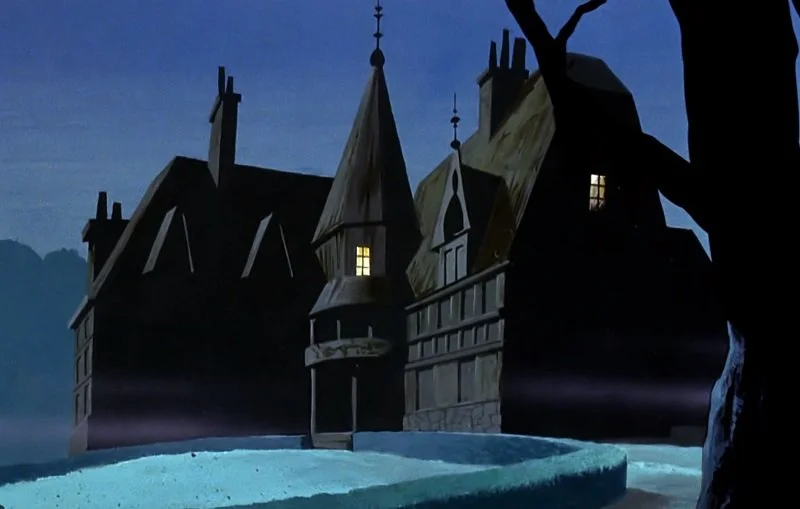
What the hex is going on?
Scooby-Doo, Where Are You!
A crumbling estate. A ghost guarding an inheritance. Rooms that feel too big and too empty.
This episode is pure gothic Scooby. The mansion doesn’t feel like a place people live — it feels like a place time forgot. The Ghost of Elias Kingston barely needs to move; his presence alone fills the space. Long hallways, secret passages, and flickering lights do all the work.
Why it works:
slow pacing
minimal monster appearances
a setting that feels heavy with history
This episode trusts atmosphere completely — and it pays off.
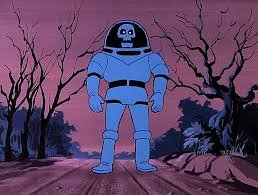
Spooky Space Kook
Scooby-Doo, Where Are You!
An abandoned airfield at night creates a tense atmosphere that draws viewers in. Silence, flashing runway lights, and echoing sounds heighten the episode’s focus on spatial fear, maintaining engagement through immersive environment cues.
The Space Kook isn’t frightening because of what he does — he’s scary because of where he is. The vast emptiness makes every sound feel louder, heightening the audience's sense of vulnerability and fear.
Why it works:
extreme isolation
wide, empty spaces
sound design is doing most of the heavy lifting
This episode exemplifies how Scooby understood spatial fear early on, showcasing techniques that media analysis students can analyse for their effectiveness in creating suspense and fear.
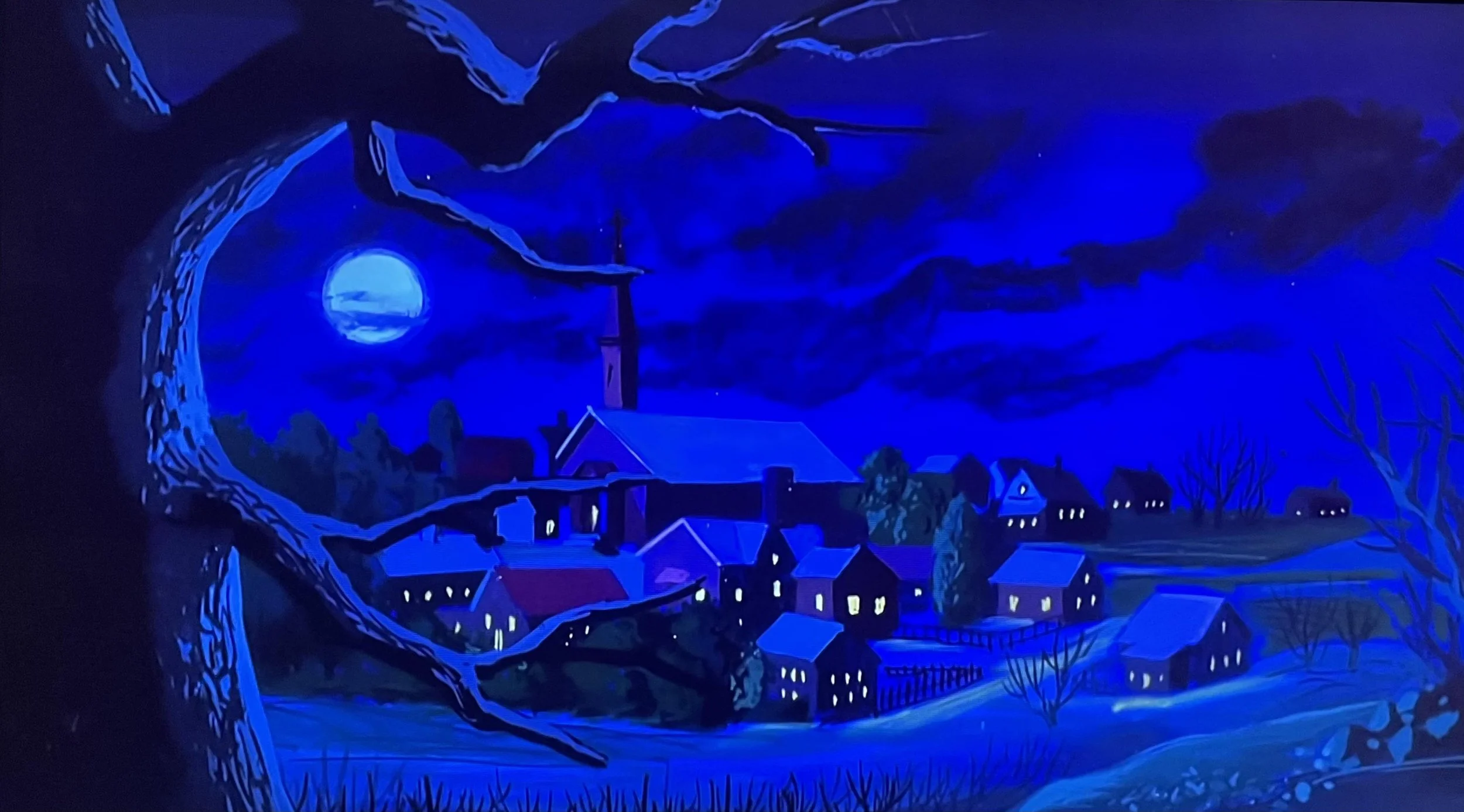
To Switch A Witch
The Scooby-Doo Show
Salem on Halloween. Fog. Ancestral curses. A witch tied to old wrongs.
This episode leans hard into folklore and tradition, letting superstition and history shape the fear. The witch doesn’t need constant screen time — the idea of her is enough. Everything feels suspended in a seasonal stillness, as if the town itself believes in the haunting, creating a cosy yet eerie mood that invites viewers to feel immersed and intrigued.
Why it works:
folklore-driven tension
nighttime village setting
slow, deliberate reveals
It’s spooky without ever rushing, fostering a calm curiosity and a gentle suspense that encourages viewers to savour the slow-building tension.
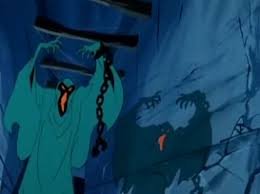
A Night Of Fright Is No Delight
Scooby-Doo, Where Are You!
This episode feels less like a cartoon mystery and more like a classic ghost story told in whispers, inviting viewers to feel intrigued and eager to uncover its secrets. An isolated mansion, a ticking inheritance clause, and a series of fear tests designed to push the gang to their limits.
One of the most unsettling elements is The Phantom Shadow — a silent, drifting presence that appears without warning and vanishes just as quickly. Its lack of chase or loud threats heightens psychological fear, reinforcing the feeling that something is always watching in the house.
Why it works:
prolonged silence
slow, deliberate pacing
psychological fear rather than action
the Phantom Shadow acting as atmosphere, not spectacle
This episode proves Scooby-Doo could be deeply unsettling without ever raising its voice, encouraging viewers to feel a sense of quiet dread and admiration for its psychological depth.
Why These Episodes Still Work
None of these episodes relies on jump scares, loud music, or fast cuts. They succeed because they understand that fear grows in:
silence
empty spaces
stillness
anticipation
They respect the viewer’s imagination — and that’s why they’ve aged so well.
Final Thoughts
Identifying the key storytelling elements that made Scooby-Doo effective, because understanding these helps us see how atmosphere influences lasting appeal.
It built worlds that felt slightly off, places where something could happen at any moment — and trusted us to feel that subtlety, encouraging viewers to feel respect for the storytelling.
These episodes remind us that atmosphere, built through subtlety and anticipation, is timeless and continues to evoke feelings of wonder and respect.
No jump scares required.
Stay groovy — and keep unmasking.
