
Why Some Scooby-Doo Monsters Felt Too Real as a Kid
Scooby-Doo was never meant to be truly scary.
It was bright, funny, and comforting — a cartoon where everything turned out okay in the end.
And yet… some monsters stayed with us.
Not because they were violent or grotesque, but because they touched something quieter and more unsettling: isolation, silence, abandonment, and the fear of being alone in the dark.
These weren’t the loud, theatrical villains.
They were the ones who made the world feel empty.
Make it stand out
Whatever it is, the way you tell your story online can make all the difference.
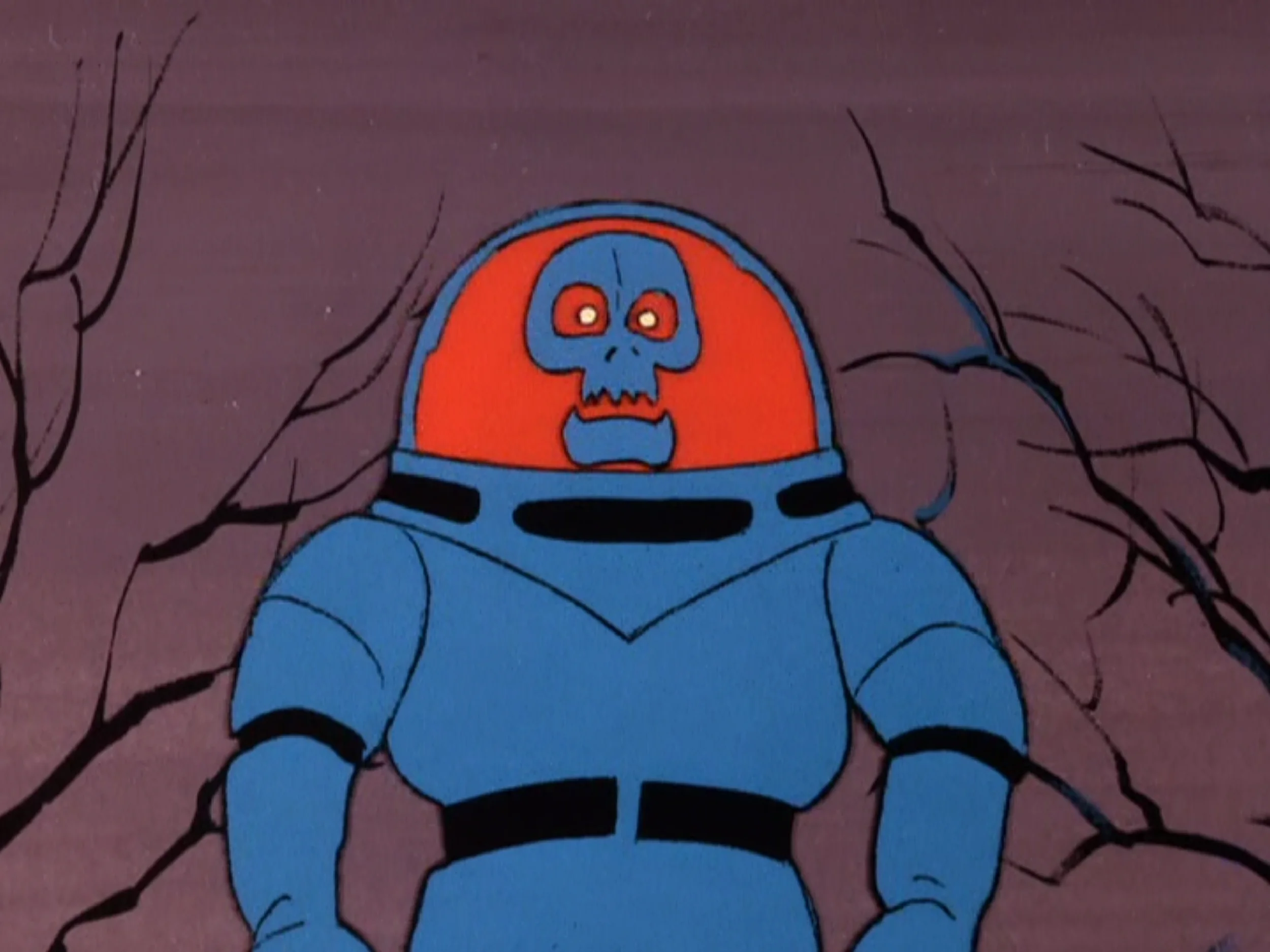
Spooky Space Kook — Fear of Isolation
The Spooky Space Kook didn’t chase the gang through crowded streets or haunted mansions. He trapped them in an empty airfield, surrounded by darkness, blinking lights, and silence.
What made him frightening wasn’t just his glowing skull — it was the setting.
Vast, open space
No help nearby
No familiar comfort
That hollow, echoing laugh cutting through the quiet
As kids, many of us were scared of being alone in big spaces. The Space Kook taps directly into that fear. There’s nowhere to hide, nowhere to run, and no sense that anyone else is coming.
That kind of emptiness feels real — even in a cartoon.
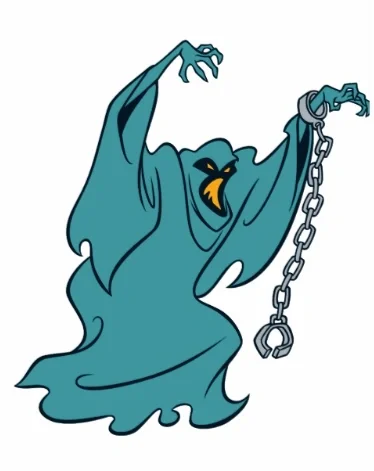
The Phantom Shadow — Fear of Being Followed
The Phantom Shadow moves through city streets at night, blending into alleys, shadows, and urban silence. He doesn’t roar or announce himself — he appears, then vanishes.
That taps into a very human fear:
The sense that someone is behind you when you’re walking alone.
Familiar locations turned unsafe
Darkness swallows doorways and streets
The feeling of being watched
This monster feels real because it mirrors a fear many kids experience for the first time: realising that danger doesn’t always look monstrous. Sometimes it seems like a shadow that won’t go away.
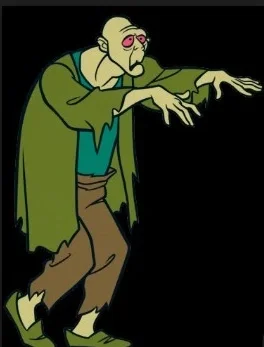
The Swamp Zombie — Fear of Relentless Pursuit
Unlike some Scooby monsters that run or leap, the Zombie never stops moving.
Slow.
Heavy.
Unavoidable.
That steady pursuit hits differently. There’s no chaos, no panic — just inevitability. The zombie doesn’t rush because he doesn’t need to. He knows he’ll catch you eventually.
For a child, that kind of monster feels terrifying because it mirrors helplessness:
You can’t outrun everything
You can’t always fight
Sometimes the fear is knowing you’ll be caught
It’s subtle, but deeply unsettling.
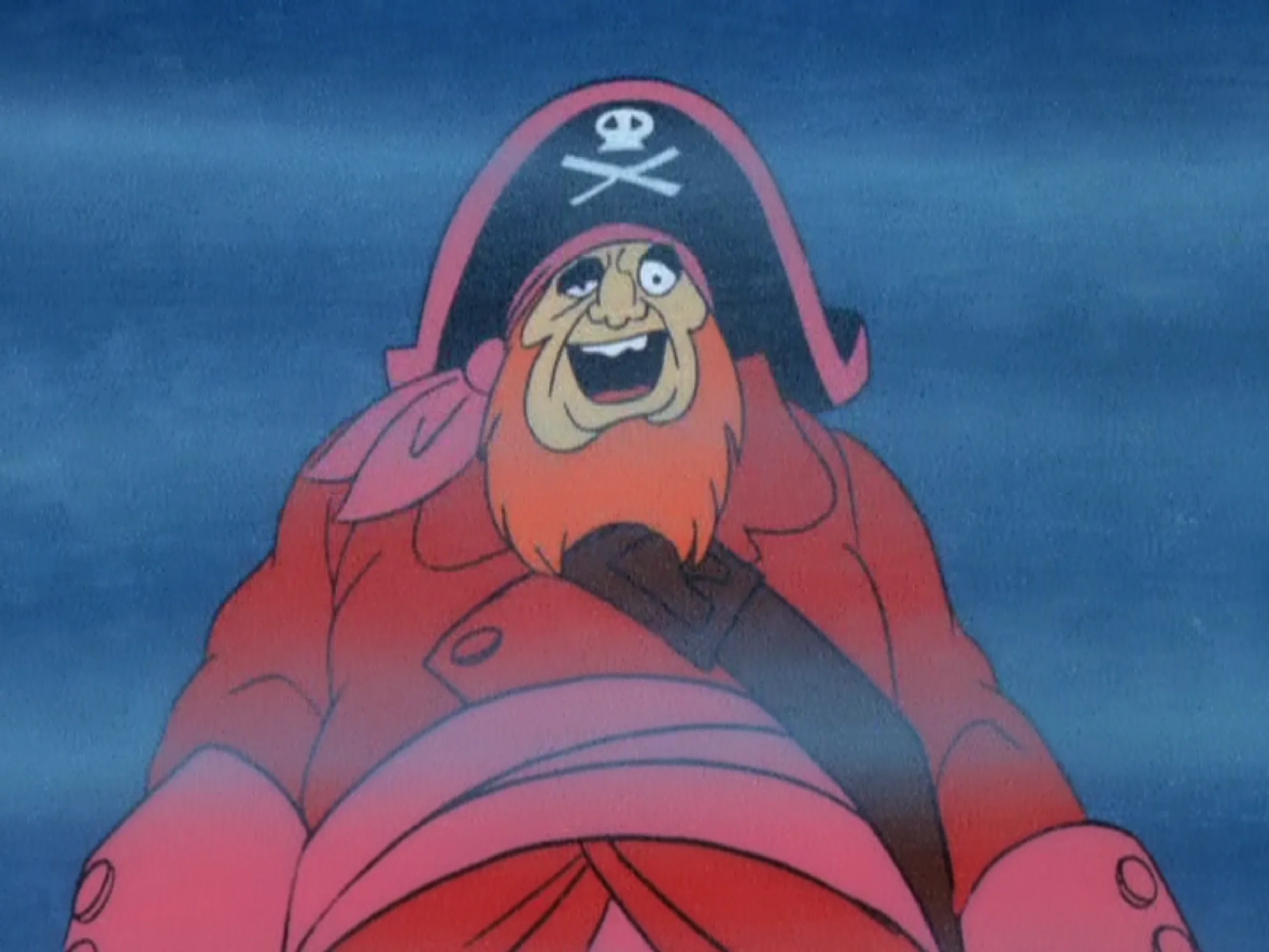
The Ghost of Redbeard — Fear of Loss and the Unknown
Pirate ghosts are fun… until you’re a kid imagining the ocean at night.
Redbeard’s story is wrapped in:
shipwrecks
drowning
isolation at sea
being lost forever
The fear here isn’t just the ghost — it’s what he represents. The ocean is vast, cold, and unknowable. Redbeard carries the weight of stories we half-understood as children but felt deeply anyway, helping adults connect with their own emotional experiences.
This is Scooby tapping into existential fear, whether it meant to or not.
Why These Monsters Stayed With Us
What connects all of these villains isn’t just their designs — it’s how they evoke childhood fears, helping adults feel understood and nostalgic.
Silence instead of noise
Empty places instead of crowds
Slow movement instead of chaos
Familiar fears instead of fantasy
These monsters didn’t scare us because they were supernatural.
They scared us because they felt possible.
And maybe that’s why we remember them.
Why We Love Them Now
Revisiting these monsters as adults feels different.
What once unsettled us now feels atmospheric, clever, and strangely comforting. We can see how Scooby-Doo gently introduced complex emotions — fear, tension, uncertainty — in a safe, digestible way.
The monsters weren’t meant to traumatise us.
They were meant to teach us how to sit with fear — and then unmask it.
Final Thoughts
Scooby-Doo didn’t scare us by accident.
It was understood that the quiet moments — the empty spaces, the shadows, the waiting — were where fear lived. And it trusted kids to feel that, process it, and come out the other side laughing.
Those monsters stayed with us because they were honest-honest reflections of real childhood fears that resonate into adulthood, inviting deeper media analysis.
And honestly?
That’s beautiful.
Stay groovy — and keep unmasking
